
destruyendo la doble moral

home freedigitalphotos smarnadLa semana pasada re-publiqué un post en honor de mi aniversario, “Consejos para una amistad o un matrimonio duradero“. El primer consejo que mencioné fue la sociedad.

Luego, esta mañana estaba leyendo el capítulo, “Cómo hacer que su socio sea un socio real” de Vayamos Adelante por Sheryl Sandberg… así que tengo la sociedad en el cerebro hoy!

Sandberg escribe principalmente acerca de ser defensor(a) para las mujeres en el liderazgo, pero este capítulo apoya mucho a los hombres.

Una cosa que me ha preocupado durante años ha sido el papel limitado de los hombres en el hogar y la familia. Como una mujer bendecida por tener un cónyuge que ha sido un “socio verdadero” por nuestros 28 años de matrimonio, me resulta fácil abogar por una verdadera sociedad en el matrimonio, el hogar y el trabajo.

Sandberg menciona varios obstáculos contra la sociedad verdadera en el hogar que yo misma he visto y experimentado. También ella sugiere unas maneras de superar las barreras. ¿Me pregunto si te identificas con alguna de estas?

1. el EMPODERAMIENTO

Así como la mujer lucha con la falta del empoderamiento en el mundo de los negocios, los hombres a menudo se enfrentan con la falta de empoderamiento en la casa. Demasiadas veces he oído unas mujeres criticar a sus maridos por cómo alimentan, visten o interactúan con sus hijos. En mi opinión, esas mujeres no sólo suenan irrespetuosas y ofensivas, sino también orgullosas, y esto no sirve su alianza matrimonial (sino aumenta su carga de trabajo). Sandberg dice correctamente: “Ella que quiere que su pareja sea un socio verdadero le debe tratar como a una persona igual – y con la misma capacidad.“¹ Está bien hacer la asignación de tareas de acuerdo a la preferencia o la habilidad, pero el asumir y/o comunicar que un hombre no puede hacer (o aprender a hacer) un buen trabajo en el hogar es degradante y de poca motivación. Por otro lado, el empoderamiento ayudará a derribar las barreras entre los socios reales.

 2. el ESTÍMULO

Chistes despectivos, la falta de ejemplos y los estereotipos sociales hacen que sea más difícil para los hombres participar de manera abierta y activamente como socios verdaderos en el hogar. He conocido a algunos hombres que eran las principales cuidadoras de sus hijos. He conocido a más hombres que compartían por igual las responsabilidades del hogar y la familia (mi marido incluido). Otras personas se burlaban, dudaron y, en ocasiones, condenaron al ostracismo a estos hombres a causa de su deseo y compromiso de participar activamente como socios verdaderos, en vez de felicitarles y honrarles por sus decisiones. Afortunadamente, esos hombres no tenían los (frecuentemente atribuidos) egos frágiles masculinos de lo que a menudo otros me advirtieron, y se negaron a desanimarse o disuadirse por las expectativas estereotipadas. Tanto los hombres como las mujeres podemos hacer un mejor trabajo en animar a los hombres cuando actúan como verdaderos socios.

 3. las políticas del EMPLEO

La mayoría de las compañías no ofrecen los mismos beneficios paternos para los hombres que están disponibles para las mujeres. Según Sandberg: “Sólo dos estados ofrecen licencias familiares pagadas que los hombres pueden usar”². Los hombres a menudo pagan una pena aún mayor que las mujeres a través de la presión social, calificaciones de bajo rendimiento y menos oportunidades para avanzar si ellos toman unos días fuera del trabajo para priorizar las necesidades de la familia. Creo que tenemos que mejorar las políticas y leyes de las organizaciones / gobiernos para apoyar la verdadera sociedad en la familia.

Sandberg dice que las verdaderas alianzas matrimoniales resultan en una mayor satisfacción, menos divorcios y más sexo³, y también una mayor participación del papá produce “un mayor nivel de bienestar psicológico y mejor habilidades cognitivas”⁴ y “niveles más altos de logros educativos y económicos, y tasas de morosidad más bajas”⁴ para los niños. Estos beneficios me motivan a trabajar para eliminar la doble moral que impide una verdadera sociedad.

¿Hay maneras de mejorar la alianza verdadera en tu matrimonio? 

Si estás saliendo con alguien, ¿estás estableciendo patrones de sociedad verdadera hoy para un futuro matrimonio?

** Para más resúmenes de los capítulos de Vayamos Adelante, leer aquí y aquí.

¹ Sandberg, Sheryl. Vayamos Adelante. New York: Alfred A. Knopf, 2013, cap. 8, párr. 16. 
² Ibid, cap. 8, párr. 29.
³ Ibid, cap. 8, párr. 40. 
⁴ Ibid, cap. 8, párr. 28.

destroying double standards

home freedigitalphotos smarnad
Last week I re-posted in honor of my anniversary,”Tips for a long-lasting marriage or friendship“. The first tip I listed was partnership.

Then this morning I was reading the chapter, “Making Your Partner a Real Partner” from Lean In by Sheryl Sandberg… so I have partnership on the brain today!


Sandberg writes mainly advocating for women in leadership, but this chapter
advocates very much for men.

One thing that has concerned me through the years has been the limited role of men in home and family. As a woman blessed to have a spouse who has been a “real partner” for our 28 years of marriage, I find it easy to advocate for real partnership in marriage, home, and work.

Sandberg mentions various barriers to real partnership at home that I have seen and experienced myself. She also suggests ways to overcome the barriers. I wonder if you can relate to any of these?

1. Empowerment

Just as woman struggle with lack of empowerment in the business world, men often face a lack of empowerment at home.Too many times I have heard women criticize their husbands’ for how they feed, dress, or interact with their children. In my opinion, these women not only sound disrespectful and insulting, but also prideful, and they are doing their marriage partnership a great disservice (and increasing their own work load). Sandberg correctly states, “Anyone who wants her mate to be a true partner must treat him as an equal–and equally capable–partner.“¹ it is fine to choose task assignments according to preference or skill, but assuming and communicating that a man cannot do (or learn to do) a good job at home is demeaning and de-motivating. On the other hand, empowering will help to take down the barriers between real partners.

2. Encouragement

Derogatory jokes, lack of role models, and social stereotypes all make it more difficult for men to openly and actively participate as full partners at home. I have known a few men who were the primary care-givers for their children. I have known more men who shared equally home and family responsibilities (my husband included).Others teased, questioned, and sometimes isolated these men because of their desire and commitment to actively engage as true partners, rather than praised and honored for their choices.Thankfully, these men did not have the (oft-ascribed) fragile male egos I am frequently warned about, and they refused to be discouraged or dissuaded by stereotypical expectations. Men and women both can do a better job at encouraging men when they act as true partners.

3. Employment policies

Most companies do not offer men the same paternal benefits that are available to women. According to Sandberg, “Only two states offer paid family leave that fathers can use”². Men often pay an even bigger penalty than women via social pressure, low performance ratings,and fewer advancement opportunities if they take time off to prioritize family needs. I believe we need to improve the organizational/governmental policies and laws to support true partnership.

Sandberg claims that true marriage partnership results in greater satisfaction, less divorce, and more sex³, and greater father involvement produces “higher levels of psychological well-being and better cognitive abilities”⁴ and “higher levels of educational and economic achievement and lower delinquency rates”⁴ for the children. These benefits motivate me to work to eliminate the double standards that inhibit true partnership.

Are there ways you can improve true partnership in your marriage?

If you are dating, are you establishing true partnership patterns today for future marriage? 

——-

**For more chapter summaries from Lean In, read here and here.

¹ Sandberg, Sheryl. Lean In. New York: Alfred A. Knopf, 2013, pg. 109, para. 2. 
² Ibid, pg. 113, para. 2.
³ Ibid, pg. 118, para. 1. 
⁴ Ibid, pg. 113, para. 1.

una lista de últimos deseos

mom kayak

Hace poco leí que las palabras “bucket list” (la lista de cosas que uno quiere hacer antes de morirse) se van de moda, como las palabras de moda a veces hacen después del uso excesivo durante un periodo de tiempo.

En lo personal, ya que los médicos le dieron a mi madre el diagnóstico de cáncer terminal, no he estado demasiado preocupado por el estado de moda o el uso excesivo de la palabra. Es mucho más importante para mí que ella está viviendo su lista de últimos deseos.

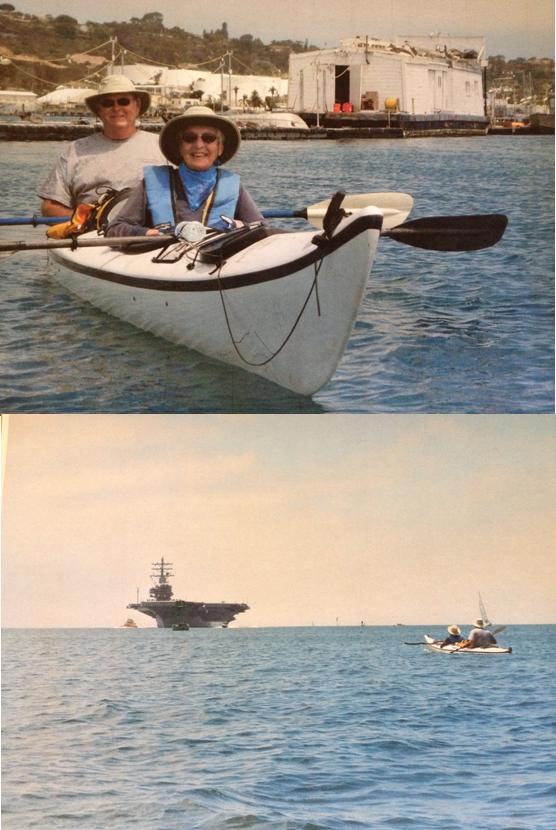
Las imágenes de este post son de mi mamá. En un kayac. Afuera, en el océano. MUY afuera. Con los sellos y los barcos (¡grandes!) y las olas.

Recuerda, mi mamá tiene casi 80 años y lucha contra el cáncer con tratamientos de quimioterapia cada dos semanas. Ella es frágil y débil. Ella odia volar y tiene que fumar… pero ella voló a San Diego, California para pasar tiempo por el océano que ama con un amigo que le ama a ella… y ella disfrutó de una aventura de siete horas en un kayac… y ¡le encantó!

Estoy muy orgulloso de ella.

Muy a menudo permito que el miedo o el inconveniente o el lo-que-otros-piensan interferir con mi deseo de intentar algo nuevo o perseguir un sueño o enfrentarme a un desafío. Puedo conformarme con estar cómoda en lugar de superar, con el más o menos en vez del máximo,con el statu quo en lugar de la satisfación.

Pero yo quiero una vida que es más que adecuado. Creo que Dios me ha creado para una vida abundante. Quiero vivir a todo dar y con toda mi fuerza con menos vacilación y más corazón, menos preocupación y más pasión, menos limitación y más libertad.

Tim McGraw canta una canción del estilo country que dice: “Espero algún día que tengas la oportunidad de vivir como si estuvieras muriendo”. Mi mamá me está ayudando a aprender a vivir de esa manera.

¿Y tú? ¿Tienes una lista de últimos deseos? ¿Qué te impide vivir la vida al máximo hoy?

a bucket list

mom kayakI read recently that the words “bucket list” are going out of style, as trendy words sometimes do after overuse during a period of time.

Personally, since doctors gave my mom the terminal cancer diagnosis, I have not been too concerned about the trendiness or overuse of the word. It is much more important to me that she is living her bucket list.

The pictures in this post are of my mom. In a kayak. Out in the ocean. Way out. With seals and (big!) boats and waves.

Remember, my mom is almost 80 years old and fighting cancer with bi-weekly chemo treatments. She is fragile and weak. She hates to fly and has to smoke… BUT she traveled to San Diego to spend time at the ocean she loves with a friend who loves her… AND she took a seven hour adventure in a kayak… and she loved it!

I am so proud of her.

Too often I let fear or inconvenience or what-others-will-think get in my way of trying something new or pursuing a dream or taking on a challenge. I can settle for comfortable instead of fulfilling, good enough instead of invigorating, status quo instead of satisfying.

But I want a life that is more than just adequate. I believe God created me for an abundant life. I want to live all-out and full-force with less hesitation and more heart, fewer petty concerns and more passion, less worry and more freedom.

Tim McGraw sings a country song that says, “I hope someday you have the chance to live like you were dying”. My mom is helping me learn to live that way.

How about you? Do you have a bucket list? What holds you back from living life to the fullest today?

recuerdos y memorias

photoElla habría estado en el porche esperando y observando ansiosamente nuestra llegada. Habría caminado lentamente sobre las rocas de grava a la zona de estacionamiento a dar un abrazo a cada uno cuando salimos de las puertas del coche. Con una sonrisa dulce y gentil, habría comentado lo que cada niño ha crecido, lo bien que se veía y habría expresado lo contenta que estaba de que estábamos aquí… pero ella no estaba allí esta vez.

La casa está tranquila sin ella, pero su presencia está en todas partes: sus obras de costura en las paredes, sus fotografías en el refrigerador, sus chaquetas todavía colgadas y ocasionalmente prestadas para tomar un paseo por el sendero.

Conversaciones con frecuencia recurren a ella… “Debe ser extraño para ti estar aquí…”, “Primera vez de regreso desde…”, “Yo también la extraño…”. Los ojos se llenan de lágrimas.

La extrañaba sobre todo en la cocina, donde a menudo estaba, elaborando el café de la mañana, preparando un aperitivo o una comida completa, contestando el teléfono, tomando notas, terminando crucigramas, siempre con una cálida bienvenida cuando llegamos de las escaleras. Probablemente habría horneado un pastel para la visita especial de su primogénito… pero no hubo pastel de bienvenida este año.

La extrañaba en la fogata también. Cómo se reía de las travesuras de los perros y las personas. Cuánto le gustaba escuchar la música. Ella sonreía con tanto orgullo y complementaba cada músico a su vez. Ella cantaba junto con los cantos favoritos y escuchaba con atención a las nuevas melodías. Este año, Abuelo estaba sentado solo en la hoguera.

Abuelo es tan triste y perdido sin ella. El amor de su vida se ha ido y la vida se siente vacía y sola y larga.

Yo entiendo. Yo también la extraño. Su vida fue un legado. Sé que está en un buen lugar con no más enfermedad o herida, pero eso no disminuye nuestro dolor aquí. Sólo ha pasado un año, pero su ausencia se va a sentir para siempre.

¿Has perdido a alguien especial? ¿Hay lugares o momentos especiales que te recuerdan a ellos?

flashbacks and memories

She would have been on the porch waiting and watching anxiously for our arrival. She would have walked slowly over the gravel rocks to the parking area to bear hug each one as they exited from the car doors. With a sweet, gentle smile, she would have commented on how each child had grown, how good they looked, and expressed how happy she was that we were here… but, she wasn’t there this time.

photoThe house seems quiet without her, but her presence is everywhere: her handiwork on the walls, her pictures on the fridge, her jackets still hanging and occasionally borrowed for a walk down the lane.

Conversations frequently turn to her… “Must be weird for you to be here…”, “First time back since…”, “I miss her too…”. Eyes fill with tears.

I missed her especially in the kitchen, where she was often, brewing the morning coffee, making up a quick snack or a full meal, answering the phone, taking notes, finishing crossword puzzles, always with a warm welcome when we came upstairs.She probably would have baked a cake for her firstborn’s special visit… but there was no welcome cake this year.

I missed her at the campfire too. How she laughed at the antics of the dogs and the people. How she loved to listen to the music. She would smile so proudly and compliment each musician in turn. She would sing along with the favorites and listen carefully to new melodies. This year, Papa sat alone at the fire-pit.

Papa is so sad and lost without her. The love of his life is gone and life feels empty and lonely and long.

I understand. I miss her too. Her life was a legacy. I know she’s in a good place with no more illness or hurt, but that doesn’t lessen our pain here. It’s only been a year, but her absence will be felt forever. ♥

Have you lost someone special? Are there special places or times that remind you of them?

terminan al final las mujeres “simpáticas”?

Vayamos AdelanteEstoy leyendo el libro de Sheryl Sandberg, Vayamos Adelante, y el tercer capítulo me hizo parar y pensar un poco. El capítulo se llama “El éxito y la simpatía” y Sandberg comienza con un estudio de caso de la Escuela de Negocios de Harvard acerca de la experiencia de una empresaria llamado Heidi Roizen. Sandberg escribe:

El caso describió cómo Roizen se convirtió en una exitosa inversionista de capital de alto riesgo mediante el uso de su “personalidad extrovertida… y vasta red de contactos personales y profesionales [que] incluyó muchos de los más poderosos líderes de negocios en el sector de la tecnología.” [Los profesores] asignaron la mitad de los estudiantes que leyeran la historia de Heidi y le dio la otra mitad la misma historia con sólo una diferencia – se cambió el nombre de “Heidi” para “Howard”.

[Los profesores] después entrevistaron a los estudiantes acerca de sus impresiones de Heidi o Howard. Los estudiantes calificaron a Heidi y Howard como igualmente competentes… sus logros eran completamente idénticos. Sin embargo, mientras que los estudiantes respetaron ambos Heidi y Howard, Howard fue percibido como un colega más atractivo. Heidi, por otro lado, era visto como egoísta y no “el tipo de persona que se quiere contratar o trabajar por.” Los mismos datos con una sóla diferencia – género – crearon muy diferentes impresiones.¹ (El énfasis es mío) 

Sandberg propone que el estudio de caso verifica aún más las investigaciones que: “Cuando un hombre tiene éxito, él es del agrado de los hombres y las mujeres. Cuando una mujer tiene éxito, las personas de ambos sexos la aprecian menos.”² Sandberg explica que desde la juventud, las niñas aprenden que la inteligencia y el éxito no son el camino a la popularidad. Además, el comportamiento socialmente aceptable permite a los hombres reclamar el crédito por los logros y usar firmeza para negociar un sueldo más alto, mientras que una mujer se percibe como arrogante y egoísta si ella hace lo mismo. Las mujeres deben ayudar sin recompensa, y también cuidar y abogar por los demás.

El objetivo final es eliminar las actitudes y el tratamiento diferentes basados en los estereotipos, pero hasta ese entonces Sandberg ofrece algunas sugerencias para las mujeres. Las he escrito con mis propias palabras aquí:

1. Paga el precio – Las mujeres tienen que aceptar que habrán prejuicios injustos y críticas. Sandberg sugiere que nos permitamos sentir y procesar las emociones generadas por la crítica, pero luego seguir adelante y hacer nuestro trabajo.

2. Proporciona sus áreas fuertes – Algunas de las características “simpáticas” comunes atribuidas a las mujeres – el cuidado, la comunicación, la comunidad – en gran medida mejoran la calidad del trabajo en equipo. Cuando las mujeres sonríen y aprecian otros – mientras que ellas concentran en la tarea –  la productividad aumenta.

3. Posiciónate comunalmente – Las mujeres tendrán más éxito en las negociaciones cuando utilizan un vocabulario de “nosotros” como contexto para sus peticiones. Las peticiones propuestas por las mujeres que incluyen los intereses comunes y una preocupación por el bien común se aceptan más fácilmente que las que aparecen egoísta o de auto-promoción.

4. Propone sentirte cómoda con el poder – Tomará esfuerzo concentrado para cambiar las mentalidades y las perspectivas sobre la base de años de hábitos y retroalimentación, pero como las mujeres trabajan para estar más cómodas con su poder, también vayamos adelante con mayor confianza.

¿Alguna vez has tenido problemas con el dilema de la chica “simpática”? ¿Qué piensas acerca de los consejos de Sheryl Sandberg para superar ese estereotipo?

Para mis lectores hombres… ¿qué te parece? ¿Exijimos un estándard diferente de las mujeres que de los hombres?

______________________

¹ Sandberg, Sheryl. Vayamos Adelante. Capítulo 3, para. 2-3. New York: Alfred A. Knopf, 2013.

² Ibid. Capítulo 3, para. 4.

do nice girls finish last?

Lean InI am making my way through Sheryl Sandberg’s book, Lean In, and chapter three made me stop and think a bit. The chapter is called “Success and Likeability”, and Sandberg starts out with a Harvard Business School case study based on the experience of an entrepreneur named Heidi Roizen. Sandberg writes:

The case described how Roizen became a successful venture capitalist by using her “outgoing personality… and vast personal and professional network [that] included many of the most powerful business leaders in the technology sector”. [The professors] assigned half of the students to read Heidi’s story and gave the other half the same story with just one difference – they changed the name “Heidi” to “Howard”.

[The Professors] then polled the students about their impressions of Heidi or Howard. The students rated Heidi and Howard as equally competent… their accomplishments were completely identical. Yet while students respected both Heidi and Howard, Howard came across as a more appealing colleague. Heidi, on the other hand, was seen as selfish and not “the type of person you would want to hire or work for.” The same data with a single difference – gender – created vastly different impressions.¹ (emphasis mine)

Sandberg argues that the case study further proves research that,”When a man is successful, he is liked by both men and women. When a woman is successful, people of both genders like her less.”² Sandberg explains that from early on, girls learn that intelligence and success are not the path to popularity. In addition, socially acceptable behavior allows men to claim credit for achievements and assertively negotiate for higher salary, whereas a woman is perceived as arrogant and self-serving if she does the same. Women are expected to help without reward, and care and advocate for others.

The ultimate goal is to eventually eliminate different attitudes and treatment based on stereotypes, but until then Sandberg offers a few suggestions for women. I’ve re-written them in my own words here:

1. Pay the price – Women need to accept that there will be unfair biases and criticism. Sandberg suggests that we allow ourselves to feel and work through the emotions generated by the criticism, but then move on and do our job.

2. Play to your strengths – Some of the common “nice” characteristics ascribed to women – caring, communication, community – greatly improve teamwork. As women smile and appreciate others – while focusing on the task – productivity increases.

3. Position yourself communally – Women will have more success in negotiations when they use “we” vocabulary as context for their requests. Petitions couched in common interests and concern for the common good are more readily accepted from women than those that appear self-centered or self-promoting.

4. Purpose to become comfortable with power – It will take concentrated effort to change mindsets and perspectives based on years of habit and feedback, but as women work to become more comfortable with their power, they will also lean in with greater confidence.

Have you ever struggled with the “nice” girl dilemma? What do you think of Sheryl Sandberg’s tips for overcoming that stereotype?

For my men readers… what do you think? Are women held to a different standard than men?

______________________

¹ Sandberg, Sheryl. Lean In. Chapter 3, para. 2-3. New York: Alfred A. Knopf, 2013.

² Ibid. Chapter 3, para. 4.

nostalgia del nuevo coche

20130715-130443.jpg
Vamos a vender el coche y comprar otro. Eso pasa todo el tiempo. No es gran cosa para muchas personas, pero otras lo entenderán cuando digo que esto es un poco de una montaña rusa emocional para mí. No me malinterpreten… Estoy muy emocionada de tener un (semi) nuevo coche. Es el tamaño, con las millas, el precio, e incluso el color que queríamos. Estamos comprando de un distribuidor de buena reputación y aún ellos nos van a comprar nuestro coche viejo – ¡así de fácil! Entonces, ¿cuál es mi problema?

Vender el coche “viejo” es el problema. El asunto es que el coche anterior está lleno de recuerdos… muchos años lleno de recuerdos. El coche viejo fue un regalo milagroso de amigos muy especiales. Se ha llevado a toda mi familia – y también varios amigos – hacia y desde nuestra casa internacional más veces de las que puedo contar. Ha estado lleno a rebosar en el camino a las conferencias, retiros, vacaciones y viajes escolares.

El coche ha transportado nuestros tesoros de ventas de garaje, numerosas podías-ayudarme-mover-mis-cosas y todas las pertenencias de nuestros hijos cuando los dejamos en la universidad. El verano pasado, nos tomamos nuestro último gran viaje de la familia (loca) en el coche – siete de nosotros y un perro – de Colorado a Wisconsin para visitar a la madre de mi marido justo antes de que ella murió.

Sí, el coche está lleno de recuerdos. Los recuerdos de un tiempo pasado cuando todos mis hijos estaban en casa conmigo. Ahora el coche es demasiado grande para solamente mi marido y yo. Se está poniendo viejo – como nosotros – y comienza a descomponer más a menudo – como nosotros… es tiempo para un cambio.

Estoy segura de que sólo unas pocas horas en el nuevo coche me va a convencer. Es más pequeño, más práctico, más eficiente con la gasolina, más moderna… justo para nuestra nueva vida. Será muy bien – incluso bueno para nosotros – pero voy a extrañar el viejo coche… y voy a estar agradecida por los recuerdos.

¿Qué es lo que te hace recordar? ¿Hay cosas que te han sido emocionalmente difíciles dejar atrás?

new car nostalgia

20130715-130443.jpg
We are selling our car and buying another one. That happens all the time. Not a big deal for some people, but others will understand when I say that this is a bit of an emotional roller coaster for me. Don’t get me wrong… I am excited to have a new(er) car. This one is the size, miles, price, and even color that we wanted. We are buying from a very reputable dealer, and we even get to trade in our old car. So what is my problem?

Trading in the “old” car is the problem. You see, the old car is full of memories… many years full of memories. The old car was a miracle gift from very special friends. It has carried my whole family – plus a few friends – to and from our international home more times than I can count. It has been full to overflowing on the way to conferences, retreats, vacations, and school trips.

The car has transported our garage sale treasures, numerous could-you-help-me-move-this items, and all of our children’s belongings when we left them at college. Last summer, we took our last big (crazy!) family trip in that car – seven of us and a dog – from Colorado to Wisconsin to visit my husband’s mom just before she passed away.

Yes, the car is full of memories. Memories of a time gone by when all my children were at home with me. Now the car is too big for just my husband and me. It is getting old – as we are – and starting to break down more often – as we are… it is time for a change.

I’m sure that just a few hours in the new car will convince me. It is smaller, more practical, more gas efficient, more modern… just right for our new life. It will be fine – even good for us – but I will miss the old car… and I will be thankful for the memories.

What brings back memories for you? Are there items that have been emotionally hard for you to let go?