Catching Fire leadership

Catching FireLast night I went to see the premiere of “Catching Fire” in the IMAX theater with my niece and other family members. She was very excited. I had not read the books, and I’m not a big movie fan, but I was there to enjoy the experience with her and make a special memory! Popcorn and candy are always fun!

I admit that I liked the movie more than I expected. I thought it was better than the first film “The Hunger Games”: on-the-edge-of-your-seat action, intertwined relationships, and a battle for the underdog. Except for the futuristic, sci-fi elements (not my favorite film genre), the story grabbed my attention, and I forgot everything about real life for the entire 2 1/2 hours.

This morning when I woke up and my mind went back to my MA courses, I started thinking about some fun connections between the movie and the leadership themes I have been studying. Here are a few of them…

The main protagonist characters, Katniss and Peeta, demonstrate leadership character with courage, sacrifice, loyalty, love and care for others, and convictions that can not be bought or beaten out by corrupt powers. They win the sympathy of many with their integrity, perseverance, and compassion, and become attractive role models for the youth.

The heroes have a compelling vision – They symbolize hope for the future and the belief for many that together they can improve life for themselves and for those who come after them. Katniss and Peeta plan some tactical steps for survival and also prepare for unknown and unexpected circumstances and challenges.

Katniss and Peeta work with an amazing team – Coaches and mentors help with marketing, strategy, spokesperson roles and survival training, providing experience, knowledge, and resources. They know they could never survive the competition without the help of others.

Partners and Alliances are a key part of the survival plan – These partnerships require trust, respect, watching each other’s back, working together, each offering their unique expertise and help from their strength areas. The intense focus on an external enemy allows them to accept and appreciate others who are very different.

These are just some ideas that I thought of quickly as I enjoyed remembering the movie. I’m sure there are many more. If you’ve seen the movie or read the book, what principles do you see?

And… if you are struggling with a type of “The Capital” in your own life or at work, may the odds be ever in your favor! 🙂 The application of some of these leadership principles might help!

liderazgo “En Llamas”

Catching FireAnoche fui a ver el estreno de “En Llamas (Catching Fire) en el teatro IMAX con mi sobrina y otros miembros de la familia. Ella estaba muy emocionada. No he leído los libros y no ni siguiera soy una gran fan de las películas, pero yo estaba allí para disfrutar de la experiencia con ella y ¡tener un recuerdo especial! ¡Las palomitas de maíz y los dulces siempre son divertidos!

Admito que la película me gustó más de lo que esperaba. Creo que es mejor que la primera película de “Los Juegos del Hambre”: mucha acción, relaciones entrelazadas y una batalla por los desvalidos. A excepción de los elementos futuristas de ciencia ficción (no es mi   género de película favorito), la historia me atrajo y me olvidé de todo lo relacionado con la vida real por el lapso de las 2 1/2 horas.

Esta mañana, cuando me desperté y mi mente regresó a mis cursos de maestría, empecé a pensar en algunas conexiones divertidas entre los temas de la película y los del liderazgo que he estado estudiando. Éstos son algunos de ellos…

Los protagonistas, Katniss y Peeta, demuestran el carácter de liderazgo de la valentía, el sacrificio, la lealtad, el amor y el cuidado de los demás y convicciones que no se pueden comprar o destruir por poderes corruptos. Ellos ganan la simpatía de muchos con la integridad, la perseverancia y la compasión y se convierten en ejemplos atractivos para los jóvenes .

Los héroes tienen una visión convincente – Ellos simbolizan la esperanza del futuro y la creencia de muchos de que juntos pueden mejorar la vida para sí mismos y los que vengan después de ellos. Katniss y Peeta planean algunos pasos tácticos para su supervivencia, y también se preparan para las circunstancias y desafíos desconocidos e inesperados.

Katniss y Peeta trabajan con un equipo increíble – Los entrenadores y mentores ayudan con el marketing, la estrategia, las funciones de portavoz y el entrenamiento de supervivencia, ofreciendo experiencia, sabiduría y recursos. Ellos saben que nunca podrían sobrevivir las batallas competitivas sin la ayuda de otros.

Socios y Alianzas son una parte clave del plan de supervivencia – Estas relaciones de colaboración requieren la confianza, el respeto, cuidar la espalda el uno del otro, el trabajo juntos, cada uno ofreciendo su experiencia única y la ayuda de sus habilidades. Su intensa concentración en un enemigo externo les permite aceptar y apreciar a otros que son muy diferentes.

Estas son sólo algunas ideas que pensé rápido mientras disfrutaba recordar la película. Estoy seguro de que hay muchas más. Si tú has visto la película o leído el libro, ¿qué principios ves?

… y si estás luchando con un tipo de “El Capitolio” en tu propia vida o en el trabajo, ¡que las probabilidades siempre estén a tu favor! 🙂 ¡La aplicación de algunos de estos principios de liderazgo puede ayudar!

aprendiendo a estar agradecida

muchas graciasYo no soy muy buena demonstrando agradecimiento. Bueno, tal vez no soy tan mala cuando significa decir “gracias” a la camarera o al recepcionista del hotel. Eso lo hago bastante bien. Estoy menos rápida para expresar mi gratitud a las personas más cercanas a mí… mi marido, mi familia, mi Dios. Es un poco irónico, ya que ellos son los que me dan lo máximo y lo mejor de ellos mismos. Ellos dan durante un largo período de tiempo. Me dan bien.

Supongo que es esa misma consistencia que me lleva a darlos por sentado. Apenas noto el esfuerzo, o lo considero lo esperado y obligatorio… sólo una parte normal de la vida.

Pero el amor y el sacrificio no son ordinarios.

Cuando el esposo se queda con su esposa a través de tiempos difíciles y momentos tristes y se mantiene amando y riendo y dando y perdonando, eso es algo especial. Cuando los niños respetan y disfrutan a sus padres… y unos a otros… a pesar de las heridas y las diferencias y la distancia y el tiempo, eso es algo especial. Cuando Dios ama sin límites, sin condiciones y sin cesar, eso es algo especial.

No hay que darlo por sentado.

Quiero reconocer estos regalos especiales y ser más agradecida. El día de Acción de Gracias es un maravilloso tiempo de reflexión del año. Tristemente con frecuencia se pierde en medio de los otros días festivos; sin embargo es muy importante para mí. Necesito el recordatorio continuo.

Para que no sólo exija y asuma con los que amo… para que recuerde decir “muchas gracias”.

¿A quién quieres agradecer hoy?

learning to be thankful

ID-10087368I’m not very good at being thankful. Well, maybe I’m not that bad when it means saying “thank you” to the waitress or the hotel clerk. I do that pretty well. I am less quick to express my gratitude to those closest to me… my husband, my family, my God. That is a bit ironic since they are the ones who give me the most and the best of themselves. They give over a long period of time. They give well.

I suppose it is that very consistency that leads me to take them for granted. I hardly notice the effort, or I deem it expected and obligatory… just an ordinary part of life.

But love and sacrifice are so not ordinary.

When a husband stays with his wife through hard times and sad times and keeps loving and laughing and giving and forgiving, that is something special. When children respect and enjoy their parents… and each other… in spite of hurts and differences and distance and time, that is something special. When God loves without limits, unconditionally and unendingly, that is something special.

Not to be taken for granted.

I want to notice these special gifts and be more grateful. Thanksgiving is such a wonderful reflective time of year. It so frequently gets lost in between the other holidays, and yet it is so important for me. I need the continual reminder.

So I don’t just expect and assume with those I love… so I remember to say “thank you”.

Who do you want to thank today? 

facilitar el cambio

IMGP0641 webCambio: actitudes del corazón, estilos de formación,
la cultura organizacional… y el mundo!

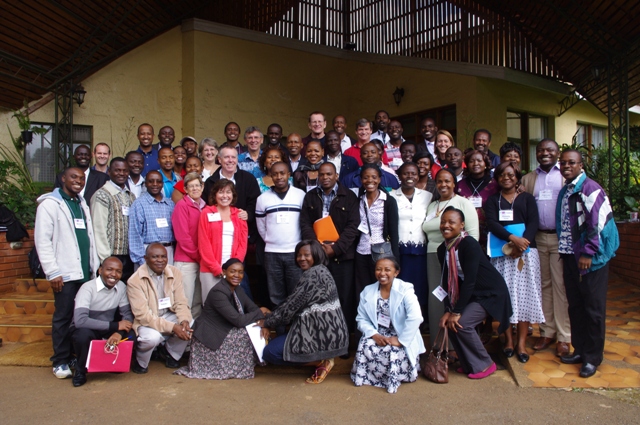
Acabo de regresar de una semana en Kenia, donde disfruté enormemente de un tiempo de transformación con 50 de nuestro personal africano – para ayudarles a aprender nuevos paradigmas y materiales de capacitación para usar con sus nuevos coordinadores. Hombres y mujeres, abuelos y jóvenes solteros llegaron de todas partes del continente: Ghana, Swazilandia, Etiopía, Níger, Zambia, Uganda, Zimbabwe, Camerún, y muchos más… Ellos hablaban inglés y francés, además de muchas lenguas étnicas nacionales. Tenían más de 20 años de experiencia en la capacitación o ninguno. Ellos trabajan con los estudiantes, los profesionistas, las familias, los deportistas y las comunidades rurales.

Cómo ayudar a un grupo tan diverso desear, comprender y prepararse para el cambio? El cambio es difícil. El cambio es poderoso.

Comenzamos con la visión. Visión para ellos. Visión para su trabajo. Visión para la organización. Visión para el mundo. Hablamos acerca del valor, el privilegio y la responsabilidad que experimentamos cuando invertimos en la vida de los demás.

Estudiaron el carácter de aquellos que están dispuestos a cambiar – humildes, enseñables, aprendices de por vida, innovadores, miembros de equipo – y evaluaron su propio carácter…

Nuestro Equipo de Diseño demostraba el poder del trabajo en equipo, el aprendizaje de adultos, los métodos de enseñanza creativos, el proceso y los grupos de coaching, el liderazgo compartido, la libertad de fallar y el crecimiento en comunidad.

También hablamos sobre los retos y las barreras al cambio – sus propias luchas internas personales y las luchas organizativas: las tradiciones, la alineación de los demás, los recursos.

Nosotros modelamos y luego ellos practicaron con nuevas herramientas… enseñando nuevas lecciones, coaching uno al otro, lidiando grupos interactivos, dando y recibiendo la retroalimentación.

Todos comimos bien y dormimos poco; bebimos un montón de té; compartimos historias personales y oramos unos por otros. Nos hicimos amigos.

Juntos decidieron sobre los puntos de acción y los próximos pasos.

Nuestro staff tienen un largo camino por delante. El cambio no sucede rápido. No sucede con facilidad. Ellos se enfrentarán a la oposición, y se cansarán y frustrarán y desanimarán en el proceso.

Sin embargo, tengo esperanza para ellos. Están profundamente comprometidos con su gente y su propósito. Sirven a un gran Dios. Ellos le ayudarán unos a otros en una comunidad de aprendizaje. El cambio es saludable y necesario para el futuro.

Me siento honrado de haber sido parte de este tiempo. Espero ver lo que sucederá en el futuro.

¿Cómo respondes al cambio? ¿Cómo ayudas a su gente a prepararse para el cambio?

facilitating change

IMGP0641 webChange: heart attitudes, training styles, organizational culture… and the world!

I just returned from a week in Kenya where I greatly enjoyed a transformational time with 50 of our African staff – to help them learn new training paradigms and materials to use with their new staff. Men and women, grandparents and young singles, they came from all over the continent: Ghana, Swaziland, Ethiopia, Niger, Zambia, Uganda, Zimbabwe, Cameroon, and more… They spoke English and French, in addition to many national ethnic tongues. They had up to 20 years of training experience or none. They work with students, business professionals, families, athletes and rural communities.

How to help such a diverse group desire, understand and prepare for change? Change is hard. Change is powerful.

We began with vision. Vision for them. Vision for their work. Vision for the organization. Vision for the world. We talked about the value, privilege and responsibility we experience when we invest in others’ lives.

They studied the character of those who are willing to change – humble, teachable, life-long learners, innovators, team players – and evaluated their own…

Our Design Team demonstrated the power of teamwork, adult learning, creative teaching methods, coaching processes and coaching groups, shared leadership, freedom to fail, and growth in community.

We also discussed the challenges and the barriers to change – their own personal internal struggles and the organizational struggles: traditions, aligning others, resources.

We modeled, and then they practiced with new tools… teaching new lessons, coaching each other, leading interactive groups, giving and receiving feedback.

Everyone ate well and slept little; we drank lots of tea; we shared life stories and prayed for each other. We became friends.

Together they decided on action points and next steps.

Our staff have a long road ahead of them. Change does not happen overnight. It does not happen easily. They will face opposition, and they will get tired and frustrated and discouraged in the process.

But I have hope for them. They are deeply committed to their people and their purpose. They serve a great God. They will help each other in a learning community. Change is healthy and necessary for the future.

I feel honored to have been part of the time. I look forward to what will happen in the future.

How do you respond to change? How do you help your people prepare for change?

questions for a destination

Roundabout SignageHave you ever had a conversation with someone that went around and around in circles and ended without any resolution, next steps, or action plan? That might be OK for some informal or ideological discussions, but a coaching relationship helps the client make progress towards a goal.

An effective coaching process begins with the client (or spouse/child/co-worker/friend) choosing a personal or professional goal, and then discussing options and barriers with the help of open and probing questions from the coach. Once the client chooses their best option, it is time to move the conversation towards action steps.

I recently learned three types of questions that the coach can ask to help the client move forward: Direct, Revealing, and Ownership.

DIRECT Questions:

Good direct questions focus and challenge, but do not threaten or judge. They are neutral and inquire without using guilt. They avoid the word “why”. They ask for action or decision and point toward a positive outcome.

“What will you do?” “Do you want to focus on XXX or on XXXX?”
“What investigation have you done?”
“What might you need to do to ensure a good decision?”

REVEALING Questions:

Revealing questions help people “get out of the box” when they feel stuck and unable to move forward. They help the client discover the limitations (physical limitations, finances, fear, priorities, lack of information, etc) they view as unchangeable obstacles and look for creative alternatives.

“What if you thought outside of the normal structure?”
“Who else could help you?” “What could you do differently to free up new resources?” “What if you had four extra hours in your day?”
“If that difficult person wasn’t there, what would you do?

Another option is to help them imagine a new situation without the barrier… “What if you had all the time you needed, what would you do?” “If you couldn’t fail, what would you try?” “How would your perfect job look?”

OWNERSHIP Questions:

Ownership questions help people avoid blaming others and take responsibility for the action. They help take away justification, excuses, and passivity, and instead lead to growth opportunities.

“What might you have done that contributed to the conflict?”
“How can you make things better?” “What might you do differently?”
“Which step do you want to take?” “How do you want to do that?”

A last helpful tip or two… When your client talks about action steps, help them be as specific as possible and include timelines.

Usually, in a coaching situation, the coach is simply helping the client recall or use their own existing information and knowledge. If, as the coach, you feel the situation requires your input, ask permission before you speak!

“Can I challenge you on that?”
“Would you be open to hearing a different perspective?”

These questions can help us get out off of the roundabout and on to our destination!

Which of these questions might be most helpful to you?

______

Many of these questions and more can be found in Leadership Coaching by Tony Stoltzfus. I highly recommend the book!

asombroso pastel de cumpleaños

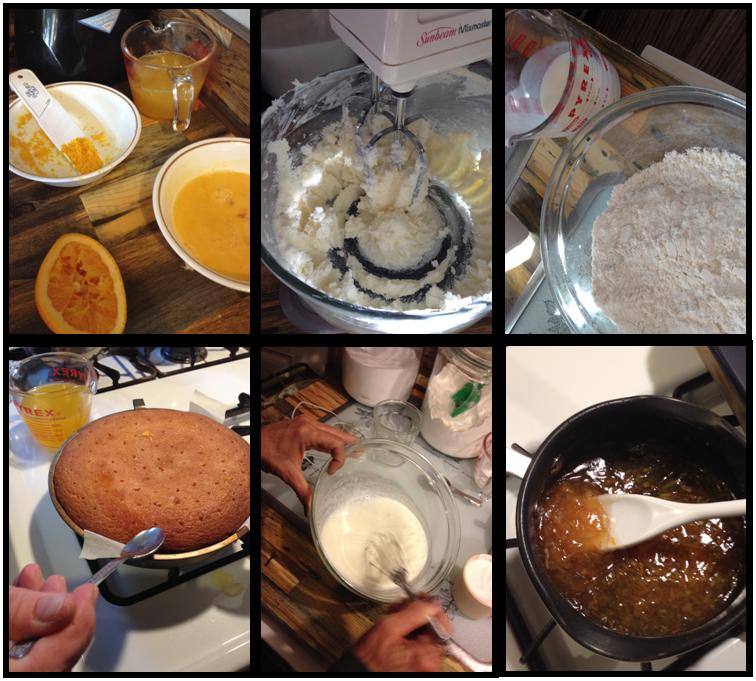
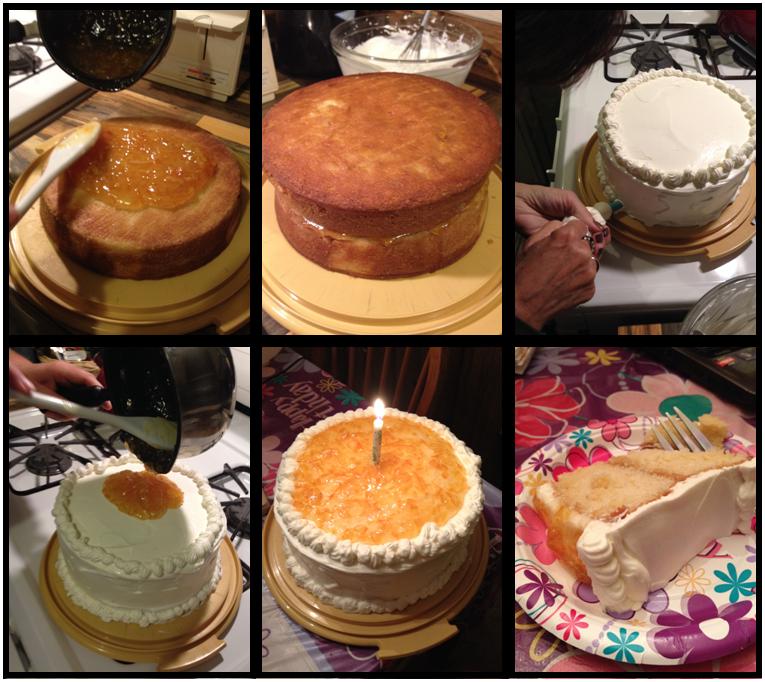
blowing candleÉste no es un blog culinario, pero ¡lo que ocurrió fue tan divertido como para no documentarlo en algún lugar! Mi hermana y yo hicimos este pastel hace años. Requiere de muchos ingredientes que por lo general no tienes en tu alacena, toma mucho esfuerzo y muchas horas de preparación, pero al final sabe delicioso.

La última vez que lo hicimos, después de que dejamos que se enfriara el pastel por tres horas, revelamos nuestra creación… y se había partido justo a la mitad. ¡Juré que nunca volvería a hacerlo!

… pero debo saber nunca decir nunca… y hoy hicimos nuevamente el pastel en honor a mi cumpleaños. ¡Nada como pasar todo el día haciendo tu propio pastel de cumpleaños!

De hecho fue una manera muy divertida de pasar el día con mi hermana… e ¡incluso mi esposo, Steve, ayudó un poco! Así que mientras esperamos a que el pastel se enfríe para poder comerlo, voy a subir unas fotos del proceso para ti. ¡Desearía poder compartir una rebanada de pastel contigo!

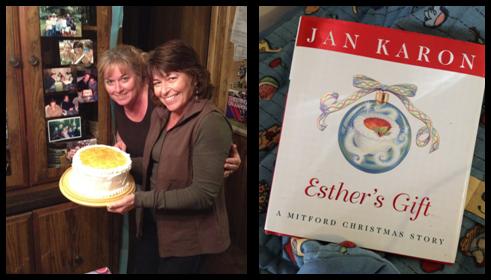
La receta se llama Pastel de Capas de Mermelada de Naranja de Esther y se encuentra en la historia de Navidad de Jan Karon, Esther’s Gift (El Regalo de Esther).

Picture2

Esther’s Gift (El Regalo de Esther) es una corta historia de gracia y generosidad… y muy adecuado haber hecho el pastel junto con mi hermana, quién ha mostrado tanto gracia como generosidad al compartir su casa con mi esposo y conmigo mientras pasamos por este tiempo de transición.

Picture1

¡El pastel sabía mejor de lo que recordábamos! ¡Las segundas oportunidades son buenas! Hoy estoy muy agradecida por los regalos de la vida, la familia y el amor… y por las segundas oportunidades.

Picture3

¿Has recibido alguna importante segunda oportunidad en tu vida.

¿Celebran alguna tradición especial de cumpleaños en tu casa? 

amazing birthday cake

blowing candleThis is not a food blog, but this was too fun not to document somewhere! My sister and I made this cake years ago. It requires many not-in-my-fridge ingredients, takes a lot of work and many hours of time, but tastes amazing in the end.

Last time we made it, after we let the cake chill for three hours, we unveiled our creation… and it had cracked right down the middle. I swore I would never do it again!

… but I should know to never say never… and today we made the cake again in honor of my birthday. Nothing like spending all day making your own birthday cake!

It was actually a very fun way to spend the day with my sister… and even my husband, Steve, helped some! So while we are waiting for the cake to chill so we can eat it, I am going to post some pictures of the process for you. I wish I could share some of the cake with you!

The recipe is called Esther’s Orange Marmalade Layer Cake, and it is found in Jan Karon’s Christmas story, Esther’s Gift.

Picture2

Esther’s Gift is a short story of grace and generosity… and very fitting that I made the cake together with my sister, who has shown both grace and generosity in sharing her house with my husband and me while we are in transition.

Picture1

The cake tasted better than we remembered! Second chances are a good thing! Today I am especially grateful for the gifts of life, family and love… and second chances.

Picture3

Have you received an important second chance in your life?

Do you celebrate any special birthday traditions in your home?

el corazón del liderazgo

heart_of_L_12_1_

Palabras de impacto. Excelente historia. Libro de fácil lectura. ¿Qué podría ser mejor?

Acepté la oportunidad de formar parte del equipo de lanzamiento del nuevo libro de Mark Miller, The Heart of Leadership (El CORAZÓN del LIderazgo). Lo leí en unas pocas horas(!), pero estaré refiriéndome de nuevo a él durante mucho tiempo.

Sin carácter de liderazgo,
a nadie le importan tus habilidades.

El libro de Mark cuenta la historia de Blake Brown y su búsqueda por aquello que hace a un líder diferente después de haber perdido una ascenso de liderazgo. Blake busca la ayuda de su mentora, Debbie Brewster, quien lo manda a entrevistarse con cinco personas especiales. Cada una de las cinco comparte con Blake un elemento del carácter de liderazgo. Blake hace tanto un cambio en su corazón en el proceso, como en su liderazgo en casa y en el trabajo. 

Este libro es de lectura fácil, sencilla y rápida… pero de gran profundidad en su contenido. Aquí hay un pequeño resumen de los puntos claves de The HEART of Leadership (El CORAZÓN del Liderazgo), pero ¡te recomiendo mucho que compres el libro!

H

AMBRE POR SABIDURÍA   La sabiduría afecta todas nuestras decisiones. Mark menciona cuatro maneras para cultivar un hambre por sabiduría: 1) enfocarse en la búsqueda y no en el resultado; 2) estar abierto a las aportaciones, nuevas ideas, opiniones diferentes; 3) crecer constantemente y 4) establecer una red de mentores para   pedir consejo. 

E 2SPERAR LO MEJOR   Los líderes ven el potencial, lo que podría ser. Generalmente son optimistas y creen lo mejor de los demás y de ellos mismos. No ignoran la realidad o los hechos, pero por lo general ven el vaso 100% lleno – ¡mitad líquido… y mitad aire!

A 2CEPTAR RESPONSABILIDAD   Mark dice que los líderes “se apropian” de sus acciones y de las acciones de los demás. Aceptan la responsabilidad cuando el equipo fracasa. Los líderes no culpan a otros; evitan el orgullo y el complacer a las personas y… ¡dan el honor a otros!   

RESPONDER CON VALENTÍA   Los líderes no dudan cuando se topan con situaciones difíciles o desafiantes; toman la iniciativa para mediar relaciones rotas, desafiar a la gente a crecer o tomar decisiones difíciles o poco populares. Puede que se equivoquen alguna vez, pero deciden actuar.  

T(THINK) PENSAR PRIMERO EN OTROS   Este es el punto más importante de todos. El líder siervo trabaja para asegurarse que los demás tengan éxito y que se sientan honrados y valorados… pero debe actuar con una actitud de corazón sincera; no puede fingir o manipular.

Al leer el libro de Mark, sentí numerosos tirones en mi corazón en cada capítulo. Al igual que el imaginario Blake, descubrí evidentes áreas débiles y muchas otras en las que puedo mejorar. Mark usa un iceberg para ilustrar que tan sólo el 10% del liderazgo son las habilidades que se muestran sobre el agua y el 90% del liderazgo es el carácter de liderazgo debajo de la superficie.

Nuestros hogares y trabajo y el mundo necesitan líderes con gran carácter… con gran CORAZÓN. Estoy lista para trabajar en mi CORAZÓN. ¿Quieres cambiar el mundo conmigo?

______________________

MarkMiller_About_179x240_050813

Mark Miller, reconocido líder de negocios, autor de best-sellers y comunicador, está emocionado por compartir The Heart of Leadership: Becoming a Leader People Want to Follow (El Corazón del Liderazgo: Convirtiéndose en un Líder que la Gente Quiere Seguir) con aquellos que están listos para dar los próximos pasos.

Puedes descargar un capítulo muestra GRATUITO o comprar el libro completo en Amazon o cualquier librería.

También puedes seguir a Mark Miller en Twitter @LeadersServe y a través de su excelente blog Great Leaders Serve.