the HEART of leadership

heart_of_L_12_1_


Powerful words. Great story. Quick-read book. 
What could be better?

I accepted the opportunity to be part of the launch team for Mark Miller’s new book, The HEART of Leadership. I read it in just a few hours(!)… but I will be referring back to it for a long time.

Without leadership character,
no one cares about your skills.

Mark’s book tells the story of Blake Brown and his search for what makes leaders different after he misses a leadership promotion. Blake seeks out help from his mentor, Debbie Brewster, who sends him to meet with five special people. Each of the five share with Blake one element of leadership character. Blake changes his heart in the process, as well as his leadership at home and at work. 

This book is a simple, quick, easy read… but there is great depth in its content. Here is a quick review of key points from The HEART of Leadership, but I highly recommend you buy the book for yourself!

H

UNGER FOR WISDOM  Wisdom informs all of our decisions. Mark mentions four ways to cultivate a hunger for wisdom:1) focus on the pursuit, not the outcome; 2) be open to input, new ideas, different opinions; 3) grow constantly, and 4) establish a network of counselors/mentors for advice.

E 2XPECT THE BEST  Leaders see potential, what could be. They are generally optimistic and believe the best about others and themselves. They don’t ignore reality or facts, but they generally see the glass as 100% full – half liquid… and half air!

A 2CCEPT RESPONSIBILITY   Mark says that leaders “own” their actions and the actions of others. They accept responsibility when the team fails. Leaders don’t blame others; they guard against pride and people pleasing and… they give the praise to others!

RESPOND WITH COURAGE  Leaders don’t hesitate when faced with difficult or challenging situations; they initiate to mend broken relationships, challenge people to grow, or make hard or unpopular decisions. They may get it wrong sometimes, but they choose to act.

THINK OTHERS FIRST  This is the most important point of all. The servant leader works to ensure that others do well and that they feel honored and valued… but they must act with a sincere heart attitude; they can’t fake it or manipulate.

As I read Mark’s book, I felt numerous tugs at my heart in every chapter. Like the imaginary Blake, I saw obvious weak areas and lots I can improve. Mark uses an iceberg to illustrate that only 10% of leadership is the skills that show above the water. 90% of leadership is the leadership character below the surface.

Our work and homes and world need leaders with great character… with great HEART. I’m ready to work on my HEART. Want to change the world with me?

______________________

MarkMiller_About_179x240_050813Mark Miller, well known business leader, best-selling author, and communicator, is excited about sharing The Heart of Leadership: Becoming A Leader People Want To Follow with those who are ready to take the next step.

You can download a FREE sample chapter or buy the complete book at Amazon or bookstores everywhere!

And you can follow Mark Miller on Twitter @LeadersServe and through his Great Leaders Serve blog.

preguntas de impacto

questions

¿Haces preguntas de impacto?

Durante las últimas semanas he estado aprendiendo acerca de escuchar activamente; ahora estoy aprendiendo acerca de cómo hacer buenas preguntas. Nuevamente, me sentí confrontada y retada por todo lo que puedo mejorar, especialmente si quiero mostrar respeto y permitirle a la otra persona proponer sus propias respuestas. 

Soy especialmente desafiada a observar esta actitud clave… ¿Tengo el mejor concepto de la persona y de su habilidad para resolver su(s) propio(s) problema(s), o simplemente quiero que haga lo que yo quiero que haga?

Es posible que ya reconozcas algunas de estas preguntas, pero si eres como yo, habrán algunas nuevas en la lista y/o algunas que puedes utilizar con más frecuencia… ¡disfruta el repaso!

PREGUNTAS ABIERTAS / CERRADAS

Una pregunta cerrada es aquella que puede ser contestada solamente con una simple respuesta de “sí” o “no”. No invita a ir más allá en la conversación o compartir con profundidad. Por otro lado, una pregunta abierta no tiene respuesta correcta o incorrecta, y puede ser contestada de muchas maneras diferentes.

SUGERENCIA CLAVE: Casi todas las preguntas cerradas pueden convertirse en una abierta al añadir “cómo, “qué, “cuál o “quién” al inicio. 

Ejemplos: “”¿Realizaste tus pasos a seguir esta semana?” “No.” (Cerrada)

“¿Qué hiciste para realizar tus pasos a seguir esta semana?” ….. (Abierta)

PREGUNTAS ORIENTADAS A LA SOLUCIÓN / MÁS AMPLIAS

Las preguntas orientadas a la solución por lo general son bien intencionadas, pero en realidad son sólo respuestas predeterminadas en forma de pregunta. (¡Ésto fue muy desafiante! Sé que con frecuencia estoy intentando saber cómo resolver la situación mientras escucho. 😦 ) Una pregunta más amplía le permite a la otra persona hacerse cargo de pensar en las soluciones.

Ejemplos: “¿Qué te parece tomar un curso en eso? (Orientada a la Solución)

“¿De qué manera podrías aprender más acerca de eso”? (Más Amplia)

PREGUNTAS DE SONDEO:

Las preguntas de sondeo exploran y reúnen mayor información. Son neutrales y ayudan a que la persona se mantenga hablando.

Sugerencias Claves: Evita las preguntas “¿Por qué hiciste…?” y recuerda que el 80% del “tiempo aire” es para la persona a quien estás coacheando. Sólo el 20% es para el coach.

Ejemplos: “Dime un poquito más acerca de eso.”

    “¿A qué te refieres cuando dices ___________?”

    “¿Cómo te hizo sentir eso?”

Si pruebas algunas de estas preguntas esta semana, ¡hazme saber cómo te fue!

¿Qué otras preguntas agregarías a esta lista? (¡Observas mi amplia y abierta pregunta de sondeo 🙂 )

** Estás son buenas preguntas para motivar el proceso de pensamiento. ¡La próxima semana veremos unas preguntas que se usan para ayudar a las personas a realizar pasos de acción!

asking powerful questions

questions Do you ask powerful questions?

I have been learning about active listening the last few weeks; now I am learning about how to ask well. Once again, I felt convicted and challenged by all that I can improve, especially if I want to demonstrate respect and allow the other person to come up with their own answers.

I am especially challenged by this key attitude check… Do I believe the best in the person and their ability to solve their own problem(s), or do I just want them to do what I want them to do?

You may already recognize some of these questions already, but if you are like me, there are some new ones in the list and/or some that you can use more often…enjoy the review!

OPEN / CLOSED QUESTIONS:

A closed question can only be answered with a simple “yes” or “no” answer. It does not invite further conversation or deeper sharing. An open question, on the other hand, has no right or wrong answer and can be answered in many different ways.

KEY TIP: Almost any closed question can be made open by adding “how,” “what,” “which,” or “who” at the beginning.

Example: “Did you do your action steps this week?” “No.” (Closed)

   “What did you do on your action steps this week?” …… (Open)

SOLUTION-ORIENTED / BIGGER QUESTIONS:

Solution-Oriented questions are often well-intentioned, but they are actually just a predetermined answer in the form of a question. (This one was very convicting! I know I am often figuring out how to fix the situation as I listen. 😦 ) A Bigger question allows the other person to take charge of thinking up the solutions.

Example: “How about if you took a class in that?” (Solution-Oriented)

   “What are some ways you could learn more about that?” (Bigger)

PROBING QUESTIONS:

Probing questions explore and gather more information. They are neutral and help to keep the person talking.

Key Tips: Avoid “Why did you…?” questions and remember that 80% of “air time” is for the person you are coaching. Just 20% is for the coach.

Examples: “Tell me a little more about that.” 

    “What did you mean when you said__________?”

    “How does that make you feel?”

If you try some of these questions this week, let me know how it goes for you!

What are some questions you would add to this list? (Notice my open, bigger, probing question! 🙂 )

**These are great questions for encouraging the thought process. Next week we will look at questions to use for helping people move toward action steps!

eliminando las distracciones

Escuchar de manera genuina requiere de atención intencional, activa e ininterrumpida. Las distracciones son un obstáculo común para escuchar bien, y éstas interfieren con nuestro deseo para comunicar y/o coachear con esmero, interés y conexión.

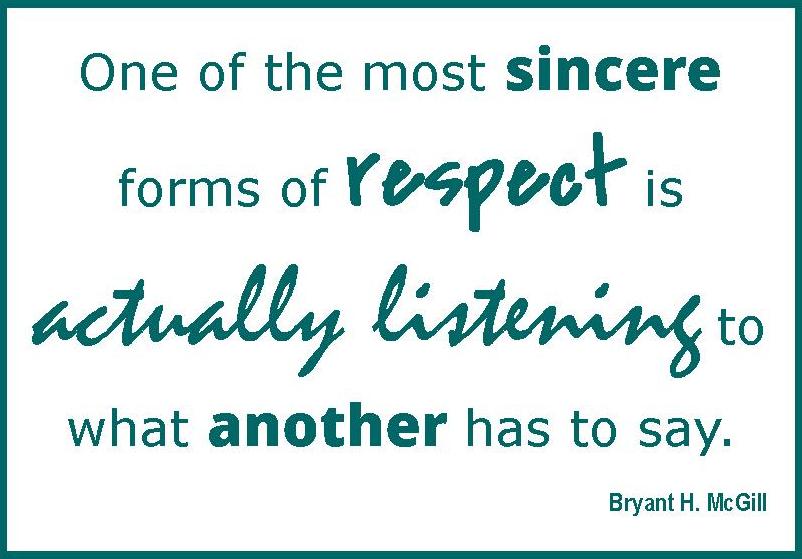
escuchar respetoHe sido desafiada y confrontada con todo lo que estoy aprendiendo en mi clase de Maestría en Consejería y Coacheo. Pasamos semanas estudiando las habilidades para escuchar y me doy cuenta de cuánto tengo todavía que aprender y mejorar. Uno de los libros que estamos leyendo es: Coaching en Liderazgo: Las Disciplinas, Habilidades y Corazón de un Coach Cristiano escrito por Tony Stoltzfus. Se lo recomiendo mucho.

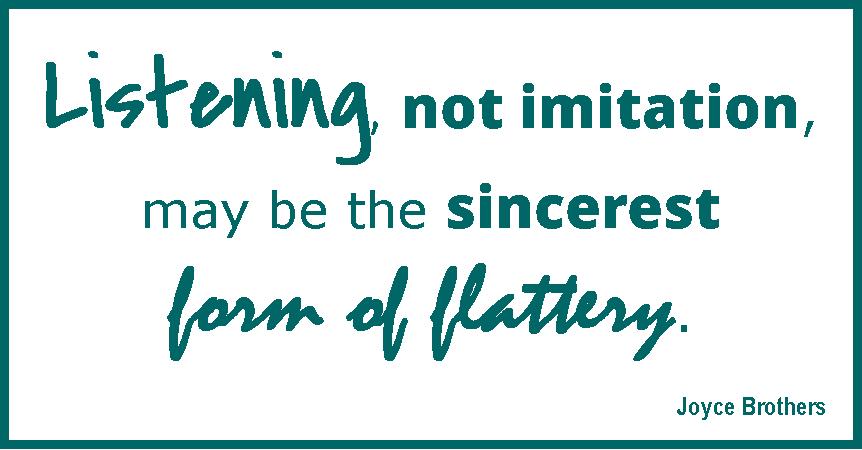
escuchar halagoÉsta es una de las auto-evaluaciones del capítulo de las distracciones. Cuando leí estas declaraciones, me di cuenta de las muchas maneras en que puedo mejorar mis habilidades para escuchar. Creo que lo encontraran muy provechoso también. Reflexiona en alguna conversación o cita de coacheo que hayas tenido recientemente. Responde las preguntas, añadiendo o quitando puntos cuando sea apropiado.

¡Déjame saber cómo te fue!

Ambiente de Distracción

-1 Tu correo electrónico o programa de mensajes instantáneos estaba abierto frente a ti.

-1 Tu lista de pendientes estaba colocada frente a ti de manera que podías leerla.

-5 Enviaste un correo, un mensaje, o trabajaste en otro proyecto mientras estabas hablando/coacheando.

-1 Estabas sentado en tu escritorio principal de trabajo.

-1 Podías oír una cantidad notable de ruido de fondo (otras personas hablando, un teléfono sonando, TV, etc).

-2 Tu puerta estaba abierta, el lugar donde estabas coacheando no tiene puerta o estabas en un lugar público.

-2 Terminaste otra reunión, proyecto o plazo unos 10 minutos antes de tu cita.

-2 Te apresuraste o trabajaste en otra tarea justo al momento en que la cita/conversación comenzó.

-2 Hay una gran cantidad de estrés o conflicto en tu vida o te sientes emocionalmente con necesidad.

-1 Tenías hambre, sed, estabas cansado o estabas de otra manera en un estado de incomodidad física.

___ Total

Ambiente de Apoyo

+1 Organizaste tus notas/recursos para esta persona/cliente y eran fácilmente accesibles.

+3 Tomaste por lo menos 10 minutos antes de la cita para enfocarte y revisar tus notas/materiales.

+2 Has hecho un compromiso personal serio de estar completamente presente mientras coacheas/hablas.

+3 Tu escritorio, monitor y/o mesa estaban limpios, o tuviste un lugar aparte para hablar/coacher alejado de tu trabajo diario.

+1 Tuviste audífonos para el teléfono. (Si la conversación tuvo lugar por teléfono).

+1 Tuviste un entorno cómodo para la conversación/coacheo (temperatura correcta, buena silla, etc.).

+1 Oraste por esta persona/cliente durante la semana.

+3 No tuviste ninguna llamada, alguien entrometiéndose o interrupciones mientras hablaste/coacheaste.

+2 Agendaste tu cita a una hora del día cuando estás alerta y bien descansado.

+1 Tu conexión fue clara y completamente confiable. No estás usando un celular o chat de voz.

___ Total

Distracción + Apoyo = ________ Total Final

(**Si tu resultado final es negativo, quizá desees cambiar tu ambiente. Si estás coacheando de manera profesional, la barra debe de estar aún más hacia arriba; si tu resultado es menor a +7, quizá quieras hacer algunos cambios para mejorar tu ambiente para escuchar.)

¿Las distracciones afectan tu habilidad para escuchar bien? ¿Qué cambios podrías hacer?

___________

Stoltzfus, Tony (2005). Coaching en Liderazgo: Las Disciplinas, Habilidades y Corazon de un Coach Cristiano. (Kindle Locations 2662-2685).

doing away with distractions

Authentic listening requires intentional, active, uninterrupted attention. Distractions are a common hindrance to listening well, and they interfere with our desire to communicate and/or coach with care, curiosity, and connection. 

respect listening

I have been very challenged and convicted by all I am learning in my M.A. Counseling and Coaching class. We spent weeks studying listening skills, and I realize how much I still have to learn and improve.

One of the books we are reading is: Leadership Coaching: The Disciplines, Skills and Heart of a Christian Coach by Tony Stoltzfus. I highly recommend it.

listening flattery

This is one of the listening self-evaluations from the chapter on distractions. When I read through these statements, I saw many ways I could improve my listening. I think you might find it helpful also. Reflect on a recent past conversation or coaching appointment you had. Answer the questions, adding or subtracting points as appropriate.

Let me know how you did!

Distracting Environment

-1   Your e-mail or IM program was open in front of you.

-1   Your to-do list was sitting out in front of you where you could read it.

-5   You did e-mail, IM or work on other projects while you were talking/coaching.

-1   You were sitting at your main work desk.

-1   You could hear a noticeable amount of background noise (others talking, a phone ringing, TV, etc).

 -2   Your door was open, the place you were coaching in has no door, or you were in a public place.

-2   You finished another meeting, project or deadline within 10 minutes before the appointment.

-2   You rushed in or worked on other tasks right up to the moment the appointment/conversation started.

-2   There is a fair amount of stress and conflict in your life, or you are emotionally needy.

-1   You were hungry, thirsty, tired or otherwise in a state of physical discomfort.

___   Total

Supportive Environment

+1   You organized your notes/resources for this person/client and kept them easily accessible.

+3   You took at least 10 minutes before this appointment to get centered and review your notes/materials.

+2   You’ve made a serious personal commitment to be all there while you were coaching/talking.

+3   Your desk, screen, and or table/desk were clear, or you had a separate place to talk/coach away from daily work.

+1   You had a phone headset. (If the conversation took place by phone.)

+1   You had a comfortable environment to talk/coach in (correct temperature, good chair, etc.).

+1   You prayed for this person/client this week.

+3   You didn’t have any calls, walk-ins or interruptions while you talked/coached.

+2   You scheduled your appointment at a time of day when you are alert and well rested.

+1   Your connection was clear and totally reliable. You aren’t using a cell phone or voice chat.

___    Total

Distraction + Supportive = ________ Final Total

(**If your final score is negative, may want to change your environment. If you are coaching professionally, the bar should be higher: if your score is less than +7, you may want to make some changes to improve your listening environment.)

Do distractions affect your ability to listen well? What could you change?

___________

Stoltzfus, Tony (2005). Leadership Coaching: The Disciplines, Skills and Heart of a Christian Coach (Kindle Locations 2662-2685).

¿cómo quieres ser recordado?

Bob Morgan memorial

¿Cómo quiero ser recordada cuando yo muera? No es algo que pienso muy a menudo… o quiero pensar.

Sin embargo, el asistir a un servicio memorial este fin de semana pasado me hizo pensar en las cosas que muchas veces estoy demasiado ocupada como para tener en mente.

Mi suegro falleció hace un par de semanas (cerca de un año después de su amada esposa, Nancy) y nos reunimos por un tiempo muy especial con la familia y los amigos para compartir historias, abrazos, lágrimas y tiempo juntos. La comida, la música y los recuerdos llenaron los días. Recordamos a Bob como familiar, amigo, entrenador y fiel esposo.

La vida de Bob no comenzó sin desafíos. Su padre abandonó a la familia cuando Bob era joven y Bob vagó por las calles sin supervisión con sus amigos “los ratas del río”. Hay un montón de historias sobre sus aventuras y travesuras… y probablemente algunas que siguen siendo secretos! Bob le dió el crédito a los marines y al baloncesto por cambiar su vida, enseñándole la disciplina, los valores y el compromiso que caracterizó su vida posterior.

En el memorial de Bob, vimos pancartas de fotografías y presentaciones de video y escuchamos algunas de sus canciones y personas favoritas compartir sobre su vida. Viviendo más de 80 años, Bob dejó un legado duradero.

PERSONAL – Bob invirtió su vida con pasión en las cosas que amaba y disfrutaba. Bob sirvió con valentía y orgullo en los marines. Después de su período de servicio, Bob dedicó su vida a su amor por el baloncesto. Jugó en la universidad y luego entrenó durante muchos años; en 1971 ganó el campeonato de baloncesto de los chicos de la secundaria del estado de Wisconsin… y muchos años después, salió de su retiro para entrenar a un equipo de niñas de una ciudad pequeña, que nunca habían ganado, y las llevó a su única temporada ganadora. A Bob le encantó el “Lago”: la pesca, paseos en pontón y las vistas espectaculares de temporada desde su porche. También le gustaba todo tipo de música y cantó y tocó con entusiasmo a lo largo de los años con sus amigos y familiares. Él era famoso por cantar karaoke la canción “What a Wonderful World” (Qué mundo maravilloso) al estilo Louis Armstrong, y lo cantamos en su servicio.

¿Qué te apasiona?
¿Estás invirtiendo tu tiempo, tus habilidades, tu energía y tus recursos allí?

RELACIONAL – Incluso sin ejemplos fuertes en su niñez, Bob dejó un legado de fuertes lazos familiares y lealtad. Bob adoraba a su esposa Nancy; era obvio para todos los que los conocían. Su familia se echó a reír juntos, lloraron juntos, discutieron y se perdonaron unos a los otros… siempre para estar unidos y disfrutar de tiempo juntos. Bob también desarrolló amigos a largo plazo de todos los ámbitos de la vida. Él fue muy amable e ingenioso y tenía un lugar especial en su corazón para los desvalidos. La fogata Morgan siempre ofrecía una cálida bienvenida a familiares y a amigos queridos-como-familiares.

¿Cómo son tus relaciones?
¿Son de compromiso, amor, lealtad y profundas?

FINANCIERO – Bob era un maestro de secundaria y un entrenador… no son profesiones altamente pagaaos. Sin embargo, Bob y Nancy eran excelentes administradores de sus recursos. En la vida, dieron regalos con mucho cariño y viajaron con frecuencia a visitar a la familia. Ellos abrieron su casa y su corazón a muchos, algunas para visitas cortas, otros para el cuidado a largo plazo. Ellos invernaron en Padre del Sur, Tejas desde hace muchos años, disfrutando de un clima cálido y amigos queridos. Cuando murieron, dejaron en herencia a sus hijos. Fueron generosos en la vida y en la muerte. 

¿Eres un buen administrador de lo que has ganado / recibido?
¿Eres generoso con los demás?

FE – Bob y Nancy ambos demostraron una fe personal y animaron lo mismo en otros. Ellos asistieron a la iglesia fielmente a través de los años, aunque la denominación en particular no era importante. Personalmente, estoy agradecida por la forma en que animaron a nuestra familia misionera y oraron por nosotros, incluso cuando sabían que nuestras elecciones de fe significaban que nuestra familia nunca iba a vivir cerca de ellos. Tanto Bob y Nancy entendieron el perdón como don de Dios y tuvieron paz cuando murieron.

¿Dónde estás en tu camino de fe?
¿Estarías en paz con Dios, si fueras a morir hoy?

Bob y Nancy me han ayudado a reflexionar sobre mi propio “mundo maravilloso” y el legado que quiero dejar atrás… ¿Y tú? ¿Cómo quieres ser recordado?

how do you want to be remembered?

Bob Morgan memorialHow do I want to be remembered when I die? Not something I think about very often… or want to.

However, attending a memorial service this past weekend caused me to think about things that I am often too busy to consider.

My father-in-law died a few weeks ago (about one year after his beloved wife, Nancy) and we gathered for a very special time with family and friends to share stories, hugs, tears, and time together. Meals, music, and memories filled the days. We remembered Bob as family, friend, coach, and faithful husband.

Bob’s life did not begin easily. His father deserted the family when Bob was young, and Bob ran the streets unsupervised with his “river rats” pals. There are plenty of stories about their escapades and mischief… and probably some that still remain untold! Bob
credited the Marines and basketball for turning his life around, teaching him the discipline, values, and commitments that characterized his later life.

At Bob’s memorial, we looked at picture boards and video presentations and listened to some of his favorite songs and people share about his life. Over 80+ years, Bob left a lasting legacy.

PERSONALLY – Bob invested his life with passion into those things he loved and enjoyed. Bob served bravely and proudly in the Marines. After his tour of duty, Bob dedicated his life to his love of basketball. He played in college, and then coached for many years, winning the 1971 Wisconsin State Championship for high school boys’ basketball… and many years later, he came out of retirement to coach a win-less, small-town, girls’ team to their only winning season. Bob loved the “lake”: fishing, pontoon rides, and the spectacular seasonal views from his front porch. He also loved all kinds of music and enthusiastically sang and played with family and friends through the years. He was famous for his Louis Armstrong karaoke version of “What a Wonderful World”, and we sang it at his service.

What are you passionate about?
Are you investing your time, abilities, 
energy and resources there?

RELATIONSHIPS – Even without early strong role models, Bob left a legacy of strong family bonds and loyalty. Bob adored his wife Nancy; it was obvious to all who knew them. His family laughed together, cried together, disagreed, and forgave each other… always staying close and enjoying time together. Bob also developed long-term friends from all walks of life. He was friendly and witty, and had a special place in his heart for the underdog. The Morgan campfire always warmly welcomed family and loved-like-family friends.

How are your relationships? Are they committed, loving, loyal, deep?

FINANCIALLY – Bob was a high school teacher and coach… not highly paid professions. Yet, Bob and Nancy were excellent stewards of their resources. In life, they were thoughtful gift-givers and traveled frequently to visit family. They opened their home and hearts to many, some for short visits, others for long-term care. They wintered in South Padre, TX for many years, enjoying warm weather and dear friends. When they died, they left an inheritance to their children. They were generous in life and in death.

Are you a good steward of what you have earned/received?
Are you generous to others?

FAITH – Bob and Nancy both demonstrated a personal faith and encouraged it in others. They faithfully attended church through the years, although the particular denomination was not important. Personally, I am grateful for how they encouraged our missionary family and prayed for us, even when they knew that our faith choices meant our family would never live near to them. Both Bob and Nancy understood God’s gift of
forgiveness and were at peace when they died.

Where are you on your faith journey?
Would you be at peace with God if 
you were to die today?

Bob and Nancy have helped me reflect on my own “wonderful world” and the legacy I want to leave behind… How about you? How do you want to be remembered?

¿cómo son tus habilidades de escucha?

listening skillsLa habilidad más importante que las personas ayudantes / desarrolladores pueden cultivar es escuchar. Escuchar a la gente no es una actividad pasiva, sino activa.

El liderazgo es influencia. Algunos líderes utilizan el poder de la posición para manipular el comportamiento, pero el verdadero liderazgo es relacional. La buena comunicación fortalece las relaciones y el primer paso para una buena comunicación es saber escuchar.

He pasado las últimas semanas en mi clase de la maestría aprendiendo acerca de escuchar. La clase ha sido de mucha convicción, desafiante y motivadora. Pensé que era yo una buena oyente hasta que tomé el tiempo para evaluar realmente mis tendencias normales de comunicación en comparación con estas habilidades para escuchar…

Escuchar con atención

Sentado tranquilo y centrado. No menearse nerviosamente. Dando el contacto visual. Proyectando curiosidad cálida. Sin distracciones.

Escuchando con aceptación

Ningún juicio. Sin la formación de opiniones en el fondo de la mente. No planeando una refutación.

Escuchar para comprender

“Yo te escucho decir…” “¿Puedes decirme algo más sobre eso?”

Escuchar para oír más

Verdaderamente dedicado y enfocado. Aceptando el silencio; sin apresurarse para llenar los espacios sin palabras. Esperar. Inclinarse hacia la otra persona.

Escuchar para obtener información

¿Puedo aprender de lo que me está compartiendo? ¿Hay algo que necesito saber? No ponerse a la defensiva. Abierto a escuchar más.

Uno de los ejercicios que hice para la clase fue intentar escuchar a alguien hablar para tres a cinco minutos sin responder ni una palabra – simplemente hacer un buen contacto visual y usar lenguaje corporal para mostrar interés y compromiso. Fue MUY difícil no entrar con un comentario, unos consejos o unas sugerencias. Posiblemente te gustaría probar esto… ¡Déjame saber cómo te va!

¿Cómo son tus habilidades de escucha? ¿Qué haces tú para escuchar bien?

how are your listening skills?

listening skillsThe most important skill that any people helper/developer can cultivate is to listen.  Listening to people is not a passive activity, but an active one. 

Leadership is about influence. Some leaders use positional power to manipulate behavior, but true leadership is relational. Good communication strengthens relationships, and the first step to good communication is good listening.

I have spent the last few weeks in my M.A. class learning about listening. It has been convicting, challenging, and motivating. I thought I was a pretty good listener until I took time to really evaluate my normal communication tendencies against these listening skills…

Listening with full attention

Sitting calm and centered. No fidgeting. Giving eye contact. Projecting warm curiosity. No distractions.

Listening with acceptance

No judgement. No forming opinions in the back of the mind. No planning a rebuttal.

Listening for understanding

“I hear you saying…” “Can you tell me more about that?”

Listening to hear more

Truly engaged and focused. Allowing for silence; not rushing to fill the quiet spaces. Waiting. Lean in.

Listening for information

Can I learn from what they are sharing? Is there something I need to hear? Not getting defensive. Open to hear more.

One exercise I did for the class was to try to listen to someone else talk for three to five minutes without saying a word – just making good eye contact and using body language to show interest and engagement. It was SO hard to not jump in with a comment, advice, or suggestions. You might want to try this… Let me know how it goes for you!

How are your listening skills? What do you do in order to listen well?

Happy International Coffee Day!

coffee cup and beansI love my coffee. Bold and black – no cream or sugar or flavors or whipped topping for me. There is something special for all my five senses… the warm feeling of the cup between my hands, the soothing aroma and the delicious flavor for my palette. I love comfortable coffee shops and collect coffee mugs from around the world. I also have sweet childhood memories of the percolating coffeemaker sounds in the kitchen in the morning. 

My favorite thing about coffee is how it is the catalyst for invigorating and/or vulnerable conversations with friends.

International Coffee Day is celebrated in various countries around the world (Japan, Nepal, Taiwan, Indonesia, and the US to name a few) on September 29. In some places, the day is also used to promote fair trade coffee and to raise awareness for coffee growers around the world.

Here are a few of the great benefits we obtain from coffee:

1. Coffee is a great source of antioxidants! Antioxidants can help protect your body from heart disease, cancer and premature aging!

2. Coffee helps you learn better and stay more alert at work! Studies show that people who drink coffee are relaxed and more interested in their work. The caffeine stimulant in coffee helps restore and maintain alertness and helps improve attention, memory, and wakefulness.

3. Coffee also enhances your physical performance! According to research, caffeine plays a role in providing energy for better athletic performance and can also reduce post-workout muscle pain.

4. Zero calories in every cup! (As long as you don’t add sugar or milk or creamer!)

5. Coffee can help protect your skin! The antioxidant-rich properties of coffee can help your skin fight the damaging effects of the sun and prevent wrinkles as well.

6. Coffee can help ease headaches! Caffeine constricts blood vessels and helps counter the painful effects of blood vessel dilation that cause headaches.

And a few (very important!) points of coffee trivia…

  • Coffee is the second most traded commodity in the world! (The first is oil.)
  • Starbucks is the largest coffee-house company in the world. (No big surprise here.)
  • We drink A LOT of coffee. Everyday the world consumes over 1 billion cups of coffee.
  • Finland is the #1 coffee drinking country in the world (Would you have guessed that?!) Norway, Iceland, Denmark, Netherlands, Sweden and Switzerland round out the top 7. America, is number 26.

Happy International Coffee Day to you!

Just for fun… how do you like your coffee?