life paradox

Do you ever feel like life doesn’t make sense?
Or that your best efforts backfire against you?
Or you want to do something, but others view it as nonsense?
The Merriam Webster dictionary describes
these situations as a paradox.

Definition of PARADOX noun \ˈper-ə-ˌdäks, ˈpa-rə-\

  1. a tenet contrary to received opinion
  2. a statement that is seemingly contradictory or opposed to common sense and yet is perhaps true
  3. one (as a person, situation, or action) having seemingly contradictory qualities or phases

Someone who understands paradoxes is Kent M. Keith. He wrote the following list in 1968 and has given me permission to share this classic with you. I hope you will find understanding, empathy, and encouragement in his words; I certainly did.

The Paradoxical Commandments 

1. People are illogical, unreasonable, and self-centered. Love them anyway.

2. If you do good, people will accuse you of selfish ulterior motives. Do good anyway.

3. If you are successful, you will win false friends and true enemies. Succeed anyway.

4. The good you do today will be forgotten tomorrow. Do good anyway.

5. Honesty and frankness make you vulnerable. Be honest and frank anyway.

6. The biggest men and women with the biggest ideas can be shot down by the smallest men and women with the smallest minds. Think big anyway.

7. People favor underdogs but follow only top dogs. Fight for a few underdogs anyway.

8. What you spend years building may be destroyed overnight. Build anyway.

9. People really need help but may attack you if you do help them. Help people anyway.

10. Give the world the best you have and you’ll get kicked in the teeth. Give the world the best you have anyway.

© Copyright Kent M. Keith 1968, renewed 2001

______________

Do you face any paradox in your life? What do you think of this list? 

**More information about The Paradoxical Commandments and Kent Keith’s book, The Silent Revolution: Dynamic Leadership in the Student Councilis available at www.paradoxicalcommandments.com.

make every day count

Just a few days ago, a man was killed while out riding his bike. It was a beautiful lazy Sunday afternoon in a quiet suburb not too far from the park. He was in good shape, happily married, father to three almost-grown sons. An 18-year-old boy made a foolish choice to drive under drug influence, and in a moment, a good man was gone.

Life is just a breath.

I am shaken by this man’s early home-going… I’m sure he was planning on many more years of work and play. He was taking care of himself. I’m sure his wife did not imagine living the rest of her life alone without him. Such unexpected, painful change! I pray for her, hoping that she has no regrets of their last days, weeks, years together.

And I realize that is it worth repeating… live every day as if it is the last! Don’t put off until tomorrow the good things I can do today, because I may never have tomorrow. Seize the day! Live well. Make every day count!

Say “I love you”. Forgive. Listen well. Rest. Play. Call the family.
Start to exercise. Pray. Smell the flowers. Read. Give a hug. Dance. Sing.
Enjoy a gooey dessert. Say “thank you”.  Cry with a friend.
Light a candle. Help someone. Rock a baby. Laugh out loud.

Have no regrets.

I need to hear this reminder every day.

How about you? How do you make every day count?

haz que cada día cuente

Hace unos días, un hombre murió mientras paseaba en su bicicleta. Era un hermoso domingo por la tarde en una tranquila colonia no muy lejos del parque. Estaba en buena condición física, felizmente casado, padre de tres hijos jóvenes. Un chico de 18 años tomó la tonta decisión de manejar bajo la influencia de drogas, y en un momento, un buen hombre murió.

La vida es sólo un suspiro.

Estoy sacudida por la temprana “ida a casa” de este hombre… Estoy segura que él planeaba muchos años más de trabajo y juego. Se cuidaba a sí mismo. Estoy segura de que su esposa no imaginaba vivir el resto de su vida sola sin él. ¡Qué cambio tan inesperado y doloroso! Oro por ella, esperando que no tenga nada de que arrepentirse de sus últimos días… semanas… años juntos.

Y me doy cuenta de que vale la pena repetirlo… ¡Vive cada día como si fuera el último de tu vida! No dejes para mañana lo bueno que puedes hacer hoy, porque podría no haber una mañana. ¡Aprovecha el día! Vive bien. ¡Haz que cada día cuente!

Di “te amo”. Perdona. Escucha bien. Descansa. Juega. Llama a tu familia.
Empieza a hacer ejercicio. Ora. Huele las flores. Lee. Da un abrazo. Baila.
Canta. Disfruta un postre delicioso. Di “gracias”. Llora con un amigo/a.
Enciende una vela. Ayuda a alguien. Arulla a un bebé. Ríete fuerte.

No tengas de qué arrepentirte.

Yo necesito escuchar este recordatorio todos los días.

¿Qué tal tú? ¿Cómo haces que cada día cuente?

blind spots

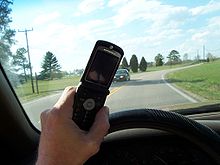
Traveling down the highway the other day, we saw many people texting or talking on their phone as they drove. Their speed was erratic, and they were constantly swerving from one lane to another. I felt nervous and in danger anywhere close to them, I and encouraged my husband to put some distance between us as quickly as possible.

It came to my mind that this dangerous behavior is very obvious to others, although the texting-driver may mistakenly think they have everything under control. From behind, we watch the unintentional lane changes and make adjustments for their inconsistent speed. When we pass along the right – because they are usually blocking the passing lane – we have never been wrong in our initial hypothesis as to the cause of their erratic driving. They are often so intent on their communication that they do not look up or even notice as we pass by.

Blind Spots  = obvious to everyone except me

I can have blind spots in many areas of my life. I am often so busy with my own tasks and concerns that I am completely unaware of how my attitudes and behavior are affecting others. I hate to think of how often a family member has to move out of my way for their own protection, or how often a co-worker has to make adjustments for my erratic actions.  I don’t want to be a danger to others. 

One tool we use in our organization is the 360° review; a feedback survey process that allows those around me – supervisor/director, co-workers, direct reports – to let me know how I am doing in my leadership. Their confidential responses are correlated with my self-assessment answers, and a trained feedback facilitator communicates the information during a personal appointment. The feedback confirms obvious strength and weakness areas, encourages strengths (those others saw, but I didn’t mention), and warns me about the dreaded blind spots.

The first time I went through a 360° review, it was one of the hardest things I had ever done. I felt clobbered by the negative comments and had a hard time recognizing the positive. I had a great facilitator at the time, and I have since come to greatly appreciate the process. I know that when I invite truthful feedback in my life, I grow in humility and I increase my abilities to work productively and serve others well.

I can hear truth from others in a formal 360° review or simply in vulnerable conversations with friends, family and mentors. It is one of the most important things I can do to ensure that I am a safe person, considerate of others, and aware of my impact… less blind spots! 

Have can you invite someone to give you honest feedback about your blind spots? 

buscando en el lugar equivocado

Quiero hacer algo valioso, importante, que valga la pena. Quiero dejar un legado. En un post anterior, escribí acerca de mi desaliento y preocupación de no haber dejado el legado de cambio de cultura que quería para la organización. Con el tiempo, la organización adquirió un aspecto y una personalidad diferente, y sentí que fracasé…
¿En dónde estaba el legado?

El otro día, estaba procesando esta lucha con mi esposo. Mientras más hablábamos al respecto, más me daba cuenta que estaba buscando el legado en el lugar equivocado. Deseaba que el entorno, procedimientos y estructura reflejaran nuestra influencia cuando no estuviéramos.

Ahora creo que la organización simplemente proveyó el “frente” para el trabajo que deseábamos hacer; esto no era mi fuente de legado. Estoy convencida que encuentro mi legado en la gente por la que trabajé y con la que trabajé, en las vidas cambiadas – cuidadas, desarrolladas, transformadas, empoderadas, llenas de esperanza… en el entorno que construimos para trabajar.

Quizá el lugar “temporal” que creamos nunca fue pensado para durar para siempre – tal vez lo construimos tanto para nosotros como para los demás. Cumplió un objetivo importante durante un tiempo. Proveyó un contexto para que pudiéramos cumplir con nuestro llamado… mientras estábamos allí.

En realidad no estoy muy interesada en cambiar a las organizaciones. Sí deseo causar una influencia positiva y espero establecer un camino que facilite que otros puedan seguir, pero creo que estoy más apasionada en cambiar vidas. Y, gracias a Dios, logré hacerlo desde mi posición de liderazgo.

Algunas de esas vidas cambiadas darán lugar a generaciones de cambio. Muchos usarán su influencia para producir y multiplicar entornos en donde otros puedan crecer. Sus vidas cambiadas se traducen en familias transformadas, negocios transformados; contribuyen para transformar ciudades… y eventualmente transformar el mundo! Me siento más alentada con mi búsqueda… tal vez mi legado no sea tan visible de manera rápida y fácil, pero definitivamente es un legado que vale la pena todo el esfuerzo.

¿En dónde quieres dejar un legado? ¿Estás buscando en el lugar correcto?

conoce tus fortalezas

Esta semana tuve la oportunidad usar varias “tests” que me ayudan a evaluar mi personalidad y mis preferencias. MyersBriggs  (ESTJ)StrengthsFinder  (Triunfador, Aprendiz, Input, Enfoque, Relator/Inclusión), BirkmanDISC (I alto)SHAPE, y los tests de los Dones Espirituales son sólo algunos de los recursos disponibles para auto-conocimiento. También ayudan a analizar dinámicas de grupos o equipos. Aprecio estas herramientas para un crecimiento continuo.

¿Sabes cuáles son tus fortalezas?

He tomado muchas de estas valoraciones durante los años. Algunos de estos tests los he vuelto a tomar con resultados muy parecidos cada vez. Sin embargo, la atmósfera no era la misma cada vez. En ocasiones pasadas, los resultados del perfil se sintieron como una maldición; trajeron juicio y acusación de los miembros del equipo; dieron lugar al conflicto en el equipo y nada de esperanza. Esta vez fue alentador ver los resultados, divertido compararlos con mi equipo, y ayudaron a ver cómo podemos trabajar juntos y complementarnos unos a otros en proyectos y asignaciones. Creo que he madurado a través de los años y puedo aceptarme a mí misma y apreciar a otros mejor.

¿Alguna vez has sido incomprendido o criticado debido a tus fortalezas? ¿Aprecias la diferencia en otros?

La facilitadora esta semana explicó un tip muy útil: el test es similar a una costilla de una sombrilla – ayuda a sostener entendimiento, pero es incapaz de ofrecer el panorama de la identidad completa. Aunque es de utilidad conocer mis áreas fuertes, puede ser que algunas veces necesite trabajar fuera de esas áreas. Cuando esto sucede, mi actitud y flexibilidad también dicen mucho acerca de mí (mi carácter). Si bien es estratégico trabajar en mis fortalezas, no puedo negar mis áreas débiles o usarlos para excusar mi irresponsabilidad o falta de resultados.

¿Qué estás haciendo para desarrollar tus fortalezas? ¿Estás consciente de tus áreas débiles y sus efectos en otros?

He encontrado muy útil tener un coach o mentor que me ayude a desarrollar un plan para mejorar mis fortalezas. Escojo una o dos áreas fuertes para un desarrollo adicional y un área débil. Después identifico cosas específicas que puedo hacer para trabajar en esas áreas. Algunas veces es de ayuda considerar si haya alguna raíz de actitud o experiencia más profunda que puede tener influencia. Mi coach revisa mi plan, viendo si es realista y después se reúne regularmente conmigo para ver mi progreso, ofrecer consejos o tips y animarme. Esas citas con mi coach me ayudan a rendir cuentas e me dan ímpetu para seguir adelante con mi plan.

¿Tienes un coach o mentor? ¿Tienes un plan de desarrollo personal?

Si tienes alguna pregunta acerca de esto, por favor avísame. Creo que es importante conocer  y trabajar en nuestras fortalezas – así tenemos más gozo y productividad en nuestra vida… y ¡ofrecemos más gracia y apreciación a otros!

looking in the wrong place

I want to do something worthwhile, valuable, important. I want to leave a legacy. In an earlier post, I wrote about my discouragement and concern that I hadn’t left the culture change legacy that I wanted in the organization. Over time, the organization took on a different look, a different personality, and I felt like a failure…
Where was the legacy?

The other day, I was processing this struggle with my husband. The more we talked, the more I came to realize that I was looking for the legacy in the wrong place. I wanted an environment, procedures, and structures to display our influence after we were gone.

I think now that the organization simply provided the “front” for the work we wanted to do; it would not be my source of legacy. I believe I find my legacy in the people I worked for and worked with, in the changed lives – nurtured, grown, changed, empowered, hope-filled… in the environment we built to work from.

Perhaps the “temporary” place we created was never intended to last forever – maybe we built it as much for us as for others. It served an important purpose for a time. It provided a context for us to work out our calling… while we were there.

I am not really very concerned about turning organizations around. I do want to bring a positive influence, and I do hope to lay a path that makes it easier for others to follow. I think that I am more passionate about turning lives around. And that, thankfully, I did get to do from my leadership position.

Some of those changed lives will lead to generations of change. Many will use their influence to create and multiply environments where others can grow. Their changed lives mean changed families and changed businesses, and contribute to changed cities… and eventually a changed world! I feel more encouraged with my search… maybe my legacy is not so quickly and easily visible, but it is definitely a legacy that was worth the effort.

Where do you want to leave a legacy? Are you looking in the right place?

a teenage advocate

Today the world is praying for a teenage advocate. Malala Yousafzai became famous a few years ago when, as an 11-year-old girl, she wrote a diary/blog about her battle to attend school in Taliban controlled Pakistan. She wrote under a pseudonym at first for safety, but became internationally known a few years later when the Taliban fell from power, and she was nominated for the International Children’s Peace Prize in 2011. Just two days ago, she was shot in the head by fanatics who do not agree that girls have a right to education and a right to speak out about injustice.

This is a heartbreaking, gut-wrenching, infuriating wrong in our world today. I have not personally experienced anything like this kind of persecution for being a woman, but this is not one isolated case. There is way too much of this degradation, abuse, limitation, and violence against women and girls in our world today. I cannot ignore it.

Neither can I ignore or tolerate the “lesser” injustices of unfair treatment, off-color jokes, disrespect or lack of opportunities for women that I do encounter on a regular basis. I believe that those attitudes and actions reflect an incomplete understanding of the urgent and severe situation for women in the world. Rather than “laugh it off” or excuse it as unintended, culturally accepted, or not-so-bad, I believe that each of these situations is an important opportunity to educate, mobilize, and empower a society to correct the wrong and the sin in our world.

Malala needs our prayers today. We all need God’s help to do what is right. We need to encourage each other in our God-given value and our God-given purpose on the earth for good. May we join together, men and women, to protect our children from harm, educate and develop the talents and gifts He has given us, and work together to fulfill His good purposes in our world today.

What can you do as an advocate today?

fuera de control

¿Alguna vez has tenido uno de esos días-semanas-años, cuando todo se siente fuera de control? ¿Demasiadas personas con necesidades? ¿Demasiado en que pensar? ¿Demasiado que hacer?

Yo he estado allí. No, la verdad es que estoy allí ahora. A veces me siento como si no pudiera respirar, como si tuviera una piedra enorme presionando contra mi pecho. Otras veces me siento toda nerviosa y acelerada como si hubiera bebido demasiadas bebidas energéticas o demasiadas tazas de café. Hablo demasiado rápido, pero lucho para conectar algunos pensamientos coherentes. Un amigo lo describió como una bola de nieve… ideas remolinando por todas partes en su cabeza, incluso después de que ella se sienta o se acuesta a descansar. Algunas personas sueñan que están en un carro, rechinando llantas al dar vuelta en las esquinas mientras pierden el control o que salen volando al acantilado destrozando los muros de contención.

¡Detén el auto! ¡Quiero salir!

El problema es… Yo no estoy en un auto. Estoy viviendo la vida y no puedo salir. Puedo, sin embargo, aprender a controlar la velocidad y manejar mejor las curvas. Para controlar mi nivel de estrés, he practicado un par de consejos en los últimos años (que estoy volviendo a aplicar esta semana). Estos son algunos de ellos…

Hablar con alguien: Ayuda a tener otra perspectiva, recibir asesoramiento objetivo, escuchar experiencias y consejos, o simplemente reír con un amigo o mentor sobre el caos. No requiere mucho tiempo; una charla en el pasillo, una conversación honesta durante el almuerzo, una llamada telefónica o una cita en un café puede hacer una gran diferencia en mi actitud.

Recordar urgente versus importante: He puesto una presión innecesaria sobre mí misma porque quiero que se haga algo AHORA que no necesita realmente suceder de inmediato. Muchas citas puede ser re-programadas, fechas de entrega ajustadas, las facturas pagadas a plazos, proyectos soñados pospuestos para un mejor momento. Si algo está causando estrés, pero no es realmente urgente, estoy aprendiendo a dejarlo para más tarde.

Comprobarlo visualmente: Rápidamente sobrecargo mi calendario cuando generalizo las tareas y el tiempo disponible. Para contrarrestar esta situación, cuando siento la vida fuera de control, anoto todas las tareas o categorías grandes que tengo pendiente y luego programo un tiempo específico para ellas a fin de que el calendario me ayude a ver la realidad. “Lo haré mañana”, requiere que en realidad confirmo que mañana tengo algo de tiempo libre. “Lo puedo hacer la próxima semana” significa que hay un día vacío o parte de un día realmente disponible para la nueva idea. Si no tengo tiempo extra, tengo que entender – y ver – tengo que sacar un compromiso anterior fuera de mi agenda ​​cuando añado uno nuevo.

Pensar en el ritmo: La vida es un viaje, que va y viene. Hay fechas límites… y el aburrimiento, los semestres escolares… y las vacaciones, los amigos… y la soledad, los bebés recién nacidos… y los graduados, las bodas… y los funerales, la salud… y las crisis, los ascensos… y la jubilación, etc. Mucho de esto no podemos controlar, pero algunas cosas sí. No quiero añadir más estrés por encima del estrés por estar estresada. Cuando acepto y aprecio donde estoy y practico estos consejos cuando me es posible, respiro un poco mejor, pienso más claramente y mantengo el control.

Y tú… ¿Está tu día-semana-año fuera de control? ¿Cómo manejas el estrés?

luchando contra la marea

¿Alguna vez has sentido que estás “nadando contra la corriente”? ¿Has sentido que la puerta que mantienes abierta tiene un fuerte resorte de tensión que la azotará cerrándola tan pronto la sueltes? ¿Alguna vez has sentido que tu arduo trabajo y pasiones son como un castillo de arena que es arrastrado por el agua cuando sube la marea?

En lo personal he estado luchando con esa clase de sentimientos en las últimas semanas. En una posición de liderazgo que tenía en el pasado, dí mi mayor esfuerzo para propiciar un cambio de cultura en el que firmemente creo. Algunas de las cosas que impulsábamos eran el liderazgo de equipo, equidad en el valor y desarrollo de mujeres y hombres, integridad en carácter y finanzas, y una disposición de evaluar los resultados con honestidad.

Junto con mi esposo, tratamos de dirigir con el ejemplo; proveemos materiales y capacitaciones; honramos a aquellos compañeros de trabajo que demostraban los valores que nos distinguían, y celebramos el ambiente y crecimiento que resultaba de nuestros esfuerzos. Fue un arduo trabajo en donde había resistencia y ataques personales, y pagamos el precio física, emocional y relacionalmente.

De igual manera, fuimos bendecidos con el apoyo y motivaciones de unos compañeros, mentores, y la emoción de ver vidas transformadas. En su momento, pensé que el sueño de relaciones sanas y de una organización sana valía la pena todo ese dolor.

Lamentablemente, hoy en día mirando hacía atrás en esa experiencia, cuestiono más… mucho de lo que “construimos” ha desaparecido. Muchas cosas son diferentes; el ambiente, las personas, los resultados… Me pregunto, ¿Todo mi arduo trabajo logró algo en realidad? ¿Valió la pena la subida cuesta arriba tan solo por un cambio a corto plazo, un cambio superficial?

He aprendido mucho acerca de trabajar siendo líder. Ahora necesito aprender a soltar. Necesito vivir con la tensión entre el deseo por dejar un legado… y el contentamiento de haber dado lo mejor de mí cuanto me tocó hacerlo.

¿Tienes algún consejo para mí? ¿Qué haces cuando tu arduo trabajo es arrastrado por la marea?