¿me estoy mintiendo a mí misma?

¿Has leído alguna vez un libro que sacuda tu vida? ¿Qué te cause reconsiderar tus valores, prioridades y estilo de vida? ¿Qué te de convicciones, ánimo y que te motive a cambiar?

Acabo de leer “7”, y este libro hizo esto en mi vida.

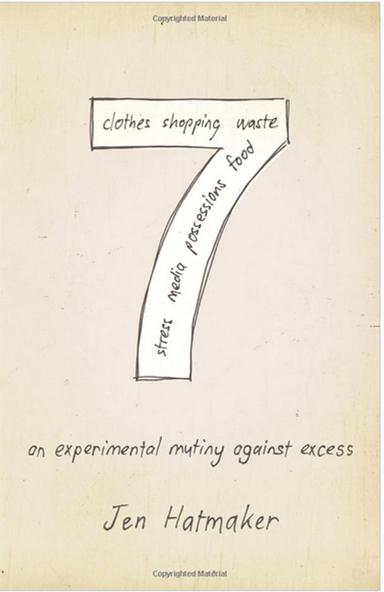
Jen Hatmaker escribió su muy honesto, provocador y divertido libro como un diario de sus siete meses en los que consideró y cambió su estilo de vida normal. Cambió temporalmente su rutina de comodidad y excesos por siete meses de reducción, sacrificio y la tensión constante que conlleva estar consciente de la realidad. Cada uno de sus desafíos mensuales me provocó cuestionar mi vida y reflexionar en las “mentiras” que me digo a mí misma:

1. Tengo hambre.

Jen eligió comer solamente siete alimentos por todo un mes… sin condimentos, sin totopos y salsa, sin postres… ¡¡sin café!!

Aunque he implementado un “cambio de estilo de vida” para comer saludable, rara vez como porque de verdad tengo hambre. En vez de eso, como por todas las razones equivocadas – como cuando estoy aburrida, cuando estoy estresada y porque otros están comiendo. Como demasiado y como comida que no es buena para mí. “7” me animó a tomar mejores decisiones alimenticias. Mucha gente ni siquiera tiene comida que comer todos los días. Tengo muchas opciones; no quiero abusar de esa bendición.

2. No tengo nada que ponerme.

Jen se puso las mismas siete piezas de ropa por un mes. También regaló la ropa que no necesitaba. Jen escribió, “Esta ropa bonita me dio confianza cuando estaba aterrorizada e insegura”. También, “La ropa me definía cuando mi verdadera identidad era confusa.”¹

Cuando digo que no tengo nada que ponerme, el problema usualmente no son los jeans apretados, las blusas pasadas de moda o las chamarras de la temporada pasada. La batalla es frecuentemente interna más que externa. Tengo demasiadas opciones… pero todavía no he encontrado la cosa que me hace sentir segura, capaz y atractiva. Este libro me ha desafiado en enfocarme más en fortalecer mi carácter y menos en llenar mi closet.

3. Necesito eso.

Jen regaló siete artículos cada día. (La ropa contaba como un sólo artículo porque la ropa que ya no les queda a los niños y la que los adultos no usan  acumula rápida y fácilmente.)

Cuando hicimos la “purga” para nuestra mudanza, me di cuenta de que soy una consumidora “por si acaso”. Compro para cada posible situación, para casa visita futura, para cada proyecto potencial. Montones, cajas y colecciones prueban mi obsesión. “7” me recordó que “La madurez diferencia la necesidad del deseo, la sabiduría de la  estupidez. Crecer significa frenar los apetitos…”² Necesito madurar.

4. Tengo que checar mi Facebook.

El cuarto mes fue ayunar siete medios de comunicación (excepto para algunos usos necesarios). No Facebook, Twitter, blogs, Pinterest, TV, video juegos ni YouTube. Los Hatmaker encontraron tiempo para leer libros, caminar, cocinar juntos y hacer manualidades y proyectos.

La vida continúa… aún si no checo mi Facebook todos los días. Cuando digo que no tengo tiempo para las  actividades importantes o  que son buenas para mí, la verdad es que, sí, tengo el tiempo… sólo que lo uso para otras cosas. Ahora tengo la convicción de controlar el tiempo que paso en los medios y no dejar que me controle a mí.

5. Reciclar cuesta mucho trabajo.

Jen y su familia implementaron siete hábitos para una vida más verde durante la semana cinco: jardinería, composta, conservación, reciclar, usar sólo un auto, comprar usado y consumir cosas locales.

Jen escribió, “Si estuvieramos conscientes de lo sagrado de la creación, sospecho que alteraría la forma en la que la tratamos.” ³ A pesar de los argumentos ecológicos, sé que hay muchas maneras en las que puedo cuidar del planeta. Va a costar más disciplina que sacrificio, más actitud que esfuerzo. Quiero ser una buena administradora.

 6. No puedo ahorrar.

Escoger comprar en solamente siete lugares fue el desafío del sexto mes.

Moderar lo que gastamos y direccionar nuestros ahorros para alguien más va contra nuestra cultura. Personalmente hago pocas compras grandes, pero puedo “centavear” un presupuesto hasta morir. Muchas veces mis gastos se ligan a socializar, pero el consumismo no iguala a la comunidad o la conexión. Con pequeños ajustes, puedo ser más creativa en mi hospitalidad y más generosa para dar a otros.

7. No tengo tiempo de descansar.

Jen dice que éste fue el mes más difícil para ella, combatir el estrés con siete pausas en el día y un sabático cada semana.

Estar ocupado es poderoso. Hay distracciones, tentaciones y necesidades por todas partes. Por otro lado, descansar es esencial para continuar enfocado, tener energía y salud. Escribí un post anterior acerca de algunas de las maneras para intentar descansar.

Jen hace muy buenas preguntas en el libro que ahora me estoy preguntando… ¿Qué me da valor e identidad? ¿En qué lucho por aprobación, apariencia, reconocimiento, control? ¿Estoy consciente de mi abundancia y me preocupan las necesidades de los demás?

Haré cambios en mi vida a causa de este libro y viviré con mayor tensión, constantemente evaluando mis decisiones y creencias.

¿Te dices mentiras a ti mismo? ¿Cómo buscas la verdad? 

_______________

¹ Hatmaker, Jen (2011-12-19). 7: An Experimental Mutiny Against Excess (p. 72). B&H Publishing Group. Kindle Edition.

² ibid (p. 94)

³ ibid (p. 136)

am I lying to myself?

Have you ever read a book that shakes your world? Causes you to re-consider your values, priorities and way of life? Convicts, encourages and motivates you to change?

I just read “7“, and the book did just that in my life.

Jen Hatmaker wrote the honest, funny, thought-provoking book “7” as a diary of her seven months of considering and changing her normal life style. She temporarily exchanged her routine comfort and excess for seven months of reduction, sacrifice and the constant tension that awareness of reality brings. Each of her monthly challenges caused me to question my life and reflect on the “lies” I tell myself:

1. I’m hungry.

Jen chose to eat just seven foods for a whole month… no condiments, no chips and salsa, no desserts… no coffee!!

Although I have implemented a “life-style change” of healthier eating, I still rarely eat because I am actually hungry. Instead I eat for all the wrong reasons – I eat when I am bored, when I’m stressed, and because others are eating. I eat too much, and I eat foods that are not good for me. “7” encouraged me to make better dietary choices. Many people do not even have food to eat each day. I have so many options; I don’t want to abuse that blessing.

2. I have nothing to wear.

Jen wore the same seven items of clothing for a month. She also gave away unnecessary clothes. Jen writes, “These pretty clothes gave me confidence when I was terrified and uncertain.” Also, “Clothes used to define me when my genuine identity was fuzzy.”¹

When I say I have nothing to wear, the problem is usually not too-tight jeans, out-of-style shirts or other-season jackets. The struggle is often internal rather than external. I have way too many choices… I just haven’t found that something to make me feel secure, capable, and attractive. This book has challenged me to focus more on strengthening my character and less on filling my closet.

3. I need that.

Jen gave away seven items every day. (Clothing counted as only one item, since children’s outgrown and adults’ never-worn added up too quickly and easily.)

When we did our own moving purge, I realized that I am a “just in case” consumer. I buy for every possible scenario, every future guest, every potential project. Piles, storage boxes, and collections prove my obsession. “7” has reminded me that “Maturity deciphers need from want, wisdom from foolishness. Growing up means curbing appetites…”² I need to grow up.

4. Gotta check Facebook.

Month four was a seven media fast (except for a few necessary uses). No Facebook, Twitter, blogs, Pinterest, TV, video games, or YouTube. The Hatmakers found time for books, walks, cooking together, crafts and projects.

Life will go on… even if I don’t check Facebook each day. When I say I don’t have time for important, good-for-me activities, the truth is that I have the time… I just spend it elsewhere. I am convicted to control my media time and not allow it to control me.

5. Recycling is too much work.

Jen and her family implemented seven habits for a greener life during week five: gardening, composting, conserving, recycling, driving one car, shopping thrift, and buying local.

Jen wrote, “If we acknowledged the sacredness of creation, I suspect it would alter the way we treated it.”4 Irregardless of ecological arguments, I know there are many ways that I can better care for the earth. It will take more discipline than sacrifice, more attitude than effort. I want to be a good steward.

  6. I can’t afford to save.

Choosing to shop at only seven places was the 6th month challenge.

Moderating spending and re-directing savings to others is very counter-cultural. Personally I make few large purchases, but I can nickle and dime a budget to death. Many times my spending is linked to socializing, but consumerism does not equal community or connection. With a little adjustment, I can be more creative with my hospitality and more generous with my giving.

7. I don’t have time to rest.

Jen claims this was her most difficult month, combating stress with seven pauses each day and a Sabbath day each week.

Busyness is powerful. There are distractions, temptations and needs everywhere. On the other hand, rest is essential for continued focus, energy and health. I wrote a prior post about some of the ways I try to rest.

Jen asks very good questions in the book, and I am now asking… What gives me my value and identity? Where do I struggle with approval, appearance, recognition, control? Am I aware of my abundance and concerned about other’s needs?

I will make changes in my life because of this book, and I will live with greater tension, constantly evaluating my beliefs and choices.

Do you tell yourself lies? How do you search for truth? 

_______________

¹ Hatmaker, Jen (2011-12-19). 7: An Experimental Mutiny Against Excess (p. 72). B&H Publishing Group. Kindle Edition.

² ibid (p. 94)

³ ibid (p. 136)

un ritmo para descansar

Acabo de regresar de unos dulces días de vacaciones con mi familia… una cabaña rústica cerca de un río caudaloso, correr un sendero lleno de pinos, pesca con mosca, fogatas, lectura, noche de juegos, rompecabezas… y mucha comida deliciosa.

Sin celulares. Sin televisión. Sin internet.

Sólo un montón de bromas y risas a carcajadas… muy relajante. Muy refrescante.

Nuestro tiempo especial me hizo recordar cuán importante es el descanso en nuestra vida…un tiempo para detenerse y no pensar en nada… o reflexionar y hablar profundamente… lo que sea necesario y se desee en el momento. A veces no sé lo que necesito hasta que me alejo de las ocupaciones de la vida y las distracciones por un tiempo.

Un amigo muy sabio compartió conmigo una fórmula para descansar que – cuando escojo aplicarla – me ayuda a asegurarme de que estoy descansando… aún en la medio de una vida muy ocupada. Te puede ayudar a ti también…

RELÁJATE diariamente

Aún 30 minutos de quietud al día para alejarme de la lista de cosas que hacer y las tareas diarias me dan perspectiva y energía para el día. Me gusta apartar tiempo en la mañana temprano para leer mi Biblia y/o un libro de devocionales y orar por dirección y guía para el día. Esto me ayuda a comenzar bien. Otros buscan tiempo para hacer ejercicio o para tomar una siesta diaria.

REFRÉSCATE semanalmente

Éste es un día de “descanso sabático” a la semana que es un cambio de ritmo o una pausa del horario y la rutina semanales. Para muchas personas éste es un día para ir a la iglesia y un día de adoración. Para mí, este día puede incluir lectura, correr por más tiempo, trabajar en el jardín, diversión con los amigos, deportes o cualquier cosa que haga que este día se sienta especial y que me deje fresca para la siguiente semana. Trato de no hacer nada del trabajo, no escribir blogs ni hacer tarea de mi maestría… una pausa de todo lo que se sienta como “trabajo” para mí.

REFLEXIONA mensualmente

Ya por años he agendado un día completo o una semana para revisar mis metas, evaluar mi progreso y planear actividades personales,  familiares y/o ministeriales. Este tiempo ha sido de mucho provecho para revisar planes de desarrollo personal (PDP), propósitos de año nuevo, el desarrollo del carácter de los hijos y cualquier desafío transformador que esté en proceso en mi vida. Me gusta irme a mi cafetería favorita con mi esposo; también hemos disfrutado de algún parque, una biblioteca, un hotel o un centro vacacional. Traemos nuestros calendarios, podcasts, PDPs y cualquier otro recurso para este tiempo lejos de todo.

RETÍRATE anualmente

¡Éste es el muy esperado tiempo extendido de vacaciones, de escape o huída! Para mí, usualmente involucra un cambio geográfico y una total desconexión de las responsabilidades comunes y de todos los medios virtuales o sociales. Me gusta cuando incluye tiempo con mi familia, desvelarse y levantarse tarde. Éstos son tiempos que atesoro, cuando las tradiciones se fortalecen, los recuerdos se multiplican y los sueños se encaminan. 

La vida fluye a un ritmo de actividades y de descanso. Frecuentemente tengo que batallar con mucho esfuerzo contra mis propios argumentos inventados que afirman que estoy muy ocupada como para descansar. Necesito recordarme a mí misma que no soy tan importante o demasiado indispensable para alejarme por un rato. Estoy más sana, tengo más energía, estoy más tranquila – y soy más agradable para los demás – cuando descanso regularmente como parte de mi ritmo de vida.

Me encantaría aprender de ti… ¿tú cómo descansas? 

a rhythm of rest

I just returned from a few sweet vacation days with my family… a rustic cabin by a high altitude river, trail runs under the pine trees, fly fishing, campfires, reading, game nights, puzzles… and too much delicious food.

No cell phones. No TV. No internet.

Just lots of inside jokes and side-splitting belly laughs… very relaxing. Very refreshing.

Our special time reminded me how important rest is in our lives… a time to pull back and think about nothing… or reflect and talk deeply… whichever is desired and needed at the time.  Sometimes I don’t even know what I need until I’ve been away from the busyness and distractions for a while.

A wise friend once shared a recipe for rest that – when I choose to apply it – helps me to ensure that I am resting… even as part of a very busy life. It might help you too…

REST daily

Even 30 quiet minutes a day to get away from the to-do list and everyday chores gives me perspective and energy for the day. I like to set aside time in the early a.m. to read from my Bible and/or a devotional book and pray for guidance and direction for the day. This gets me started on the right track. Others find time to exercise or add a nap to each day.

REFRESH weekly

This is one “Sabbath” day per week that is a change of pace or a break from the week’s schedule and routine. For many this is a church and worship day. For me, this day can include reading, a longer run, working in the garden, fun with friends, sports or anything that makes the day feel special and refreshes me for the next week. I try to stay away from my job, blog postings, or M.A. homework… a break from anything that feels like “work” to me.

REFLECT monthly

For years we have scheduled a whole day or a weekend to review goals, evaluate progress, and plan personal, family and/or ministry activities. This has been a great time to check on personal development plans (PDP), yearly resolutions, children’s character building, and any life-change challenges in process. I like to go away to a favorite coffee shop with my husband, and we have also enjoyed a park setting, a library, a nice hotel, or a retreat center. We take along calendars, podcasts, PDPs, and other resources for our time away.

RETREAT yearly 

This is the longed-for extended vacation, get-away, or escape! For me, it usually involves a complete geographical change and a total disconnect from usual responsibilities and everything virtual or social media related. I love when it includes time with my family, staying up late and sleeping in. These are the treasured times when traditions strengthen, memories multiply, and dreams take flight.

Life flows with a rhythm of activity and rest. I often have to battle prideful, self-made, artificial arguments that claim I am too busy to rest. I need to remind myself that I am not too important nor too indispensable to step aside for a while. I am healthier, more energized, more peaceful – and more pleasant to others – when I rest regularly as part of my life rhythm.

I’d love to learn from you… How do you rest?

broken hearts

free image courtesy of FreeDigitalPhotos.net

One of my children broke my heart the other day. They made a poor choice that really disappointed me. I hurt for them and for the other people involved.

That was not the first time I hurt for one of my very normal, very imperfect children… and I am sure it won’t be the last time.

I’m confident that my children often have no idea how their choices and actions affect me as their mom. They certainly pay the major part the actual physical, emotional, and financial consequences, but there is a ripple effect from all they do.

As a parent, I carry part of their experience with me. I grieve the unfulfilled dreams and hopes I had for them. My heart aches for their loss. I cry for their pain. I pray for further growth and maturity. My soul yearns for their forgiveness and healing.

GRACE

I have learned through my own mistakes over the years that grace is a precious gift to receive during times of pain. My children are usually completely aware of their error; they don’t need judgement, criticism or lectures. They do need to know that – whatever happens – I love them still.

CHOICES

I need grace too. I could beat myself up with self-doubts, guilt and second-guessing. Was there a lack in my parenting that somehow “caused” this? Did I not hug, teach or discipline enough? Although I already know that my parenting is not perfect, it was helpful when a friend reminded me that even God – the perfect Father – has imperfect, mistake-ridden, continually erring children. Our situations are very rarely simple cause and effect. Each one makes their own choices.

NEED

In the midst of the ups and downs of life, my (almost adult) children need me. Some times they need someone to listen; other times then need a long, strong hug. Some times they need practical help; some times they need me to “just” pray and give them time and space to work things out. Some times they need advice, counsel and the encouragement to reconcile, restore and choose better the next time.

…because there will be a next time. I would do almost anything to protect my children from pain. When they were very little, I could fool myself occasionally into thinking that I could control their environment and choices. I know better now.

The question is not IF my children will avoid poor choices and pain. Instead WHEN they are hurt and hurt others, the question is HOW will I respond?

_____________

How do you respond to your children’s (or others’) poor choices? What helps you respond well?

corazones rotos

free image courtesy of FreeDigitalPhotos.net

Uno de mis hijos me rompió el corazón el otro día. Él  tomó una mala decisión que realmente me decepcionó. Me duele mucho por él y por la demás gente involucrada.

Ésta no es la primera vez que uno de mis muy normales y muy imperfectos hijos me lastima… y estoy segura de que tampoco será la última vez.

Sé que frecuentemente mis hijos no tienen idea de cómo sus elecciones y acciones me afectan a mí como su madre. Ciertamente ellos pagan la mayor parte de las consecuencias físicas, emocionales y financieras, pero hay un efecto dominó de todo lo que hacen.

Como madre, cargo parte de su experiencia conmigo. Me dan tristeza los sueños y esperanzas incumplidos que tenía para ellos. Me duele el corazón por su pérdida. Lloro por su dolor. Oro por más crecimiento y madurez. Mi alma anhela su perdón y su sanidad.

GRACIA

He aprendido de mis propios errores a través de los años que la gracia es un precioso regalo que se recibe en los momentos de dolor. Mis hijos usualmente están completamente consientes de su error; no necesitan juicios, críticas ni sermones. Necesitan saber que – sin importar lo que suceda – todavía los amo.

DECISIONES

También necesito gracia. Podría atormentarme a mí misma con dudas, culpabilidad o inseguridad. ¿Hice algo mal al criarlos que de alguna manera “causó” esto? ¿Los abracé, les enseñé o los discipliné lo suficiente? Aunque ya sé que mi manera de criarlos no es perfecta, me ayudó mucho cuando una amiga me recordó que aún Dios – el Padre perfecto – tiene hijos imperfectos, plagados de errores que se equivocan todo el tiempo. Nuestras situaciones son muy raramente simples, de causa y efecto. Cada uno toma sus propias decisiones.

NECESIDAD

En medio de las altas y bajas de la vida, mis (casi adultos) hijos me necesitan. A veces necesitan que alguien los escuche; otras veces alguien que les de un abrazo largo y fuerte. A veces necesitan un poco de ayuda práctica; a veces “sólo” necesitan que ore y que les de el tiempo y espacio necesario para arreglar las cosas. A veces necesitan asesoría, consejo y ánimo para reconciliar, restaurar y tomar mejores decisiones la próxima vez.

…porque habrá una próxima vez. Haría casi cualquier cosa para proteger a mis hijos del dolor. Cuando eran pequeños, casi me engañaba a mi misma pensando que podría controlar su ambiente y sus decisiones. Ya no creo eso ahora.

La pregunta no es SI mis hijos evitarán el dolor y las malas decisiones, más bien CUANDO ellos se lastimen y lastimen a otros, la pregunta es ¿CÓMO voy a responder?

_____________

¿Cómo respondes a las malas decisiones de tus hijos (o de otros)? ¿Qué te ayuda a responder bien?

better now than later!

photo credit: US National Archives’ Photostream

My parents are getting older. I haven’t been around to watch it happen little by little each day, but with each visit I experience time’s passing more dramatically. A few days ago, I was able to spend some extended time with my dad… He can’t get around like he could before. He forgets things and is easily confused. He doesn’t hear well. He needs help with simple tasks.

It is hard for me to watch him struggle. I am sure it is hard for him to have to struggle. He was a strong, independent, military man in his younger years; he does not like to have to depend on anyone.

I have to admit that his deteriorated health and weakened condition scared me a bit… I am like my father in many ways. I have always been energetic and strong, and I do not like to need other people to help me. I have always had a quick mind and the ability to accomplish my dreams and goals by working hard. I felt anxious and fearful thinking about how old age will affect me in the future.

Beyond the physical challenges, some of the hardest things for me during the visit with my dad were his words. He was critical and accusing with irrational, belittling comments. I could excuse some of his behavior as a result of his encroaching senility, but the truth is… this was not something new. I remember that, even when he was younger, he used to blame others for something he had misplaced or for an error he had made.

I don’t really consider myself “old”… yet!  But this visit with my father has challenged me to consider my own words and actions today. Nancy Ortberg, in her book Unleashing the Power of Rubber Bands, says, “…people who resist change and hold on to the old ways when they are in their twenties become people who resist change and hold on to old ways when they are older. People who embrace change and gravitate toward new ideas in their twenties become people who embrace change and gravitate toward new ideas when they are older.”

I have also heard that as we get older, our negative character traits will not diminish but become even more pronounced. If my character traits and behaviors of today will magnify when I am older… what will I be like?

I came up with some questions to consider now… How do I react to illness and physical challenge? How do I use my time, especially when my energy is low? How do I handle limitations and the need for help from others? Do I blame others for my mistakes? How do I react to change and new ideas? What can I work on today… so that I enter “old age” gracefully?

~~~~~~~~~~

What do you think about preparing now for “old age”?

¡más vale ahora que tarde!

photo credit: US National Archives’ Photostream

Mis papás se están haciendo viejos. No he estado presente para verlo poco a poco diariamente, pero con cada visita experimente el paso del tiempo más dramáticamente. Hace algunos días, pude pasar un tiempo extendido con mi papá… ya no puede andar de un lugar a otro como solía hacerlo. Se le olvidan las cosas y se confunde fácilmente. Ya no escucha bien. Necesita ayuda para realizar tareas simples.

Es difícil para mí verlo luchar. Estoy segura de que es difícil para él tener que luchar. Era un militar fuerte e independiente en sus años de juventud; no le gusta tener que depender de nadie.

Tengo que admitir que su salud deteriorada y su débil condición me asustan un poco… soy como mi papá en muchas maneras. Siempre he sido energética y fuerte y no me gusta necesitar que otras personas me ayuden. Siempre he tenido una mente ágil y la habilidad de cumplir mis sueños y metas trabajando duro. Me da temor y me siento ansiosa al pensar en cómo la edad me afectará en el futuro.

Más allá de los desafíos físicos, algunas de las cosas más difíciles durante la visita a mi papá fueron sus palabras. Fue muy crítico y acusador con comentarios irracionales y de menosprecio. Podría justificar algo de su comportamiento como un resultado de la senilidad que lo invade, pero la verdad es… no es algo nuevo. Me acuerdo que, cuando yo era más joven, él solía culpar a los demás por algo que él había perdido o por un error que él había cometido.

Realmente no me considero “vieja”… ¡todavía! Pero esta visita a mi papá me ha desafiado a considerar mis propias palabras y acciones hoy. Nancy Ortberg en su libro, Unleashing the Power of Rubber Bandsdice, “…la gente que se resiste al cambio y se aferra a sus viejos hábitos cuando están en sus veintes se vuelven personas que se resisten al cambio y se aferran a sus viejos hábitos cuando son viejos. La gente que acepta el cambio y gravita hacia ideas nuevas en sus veintes son gente que acepta el cambio y gravita hacia nuevas ideas cuando son viejos.”

También he escuchado que al hacernos viejos, nuestros rasgos de carácter negativos no disminuyen sino que se vuelven más pronunciados. Si mis rasgos de carácter y comportamientos de hoy se van a magnificar cuando sea vieja… ¿cómo voy a ser?

Se me ocurrieron algunas preguntas para considerar ahora… ¿Cómo reacciono frente a la enfermedad y el esfuerzo físico? ¿Cómo uso mi tiempo, especialmente cuando mi nivel de energía es bajo? ¿Cómo manejo las limitaciones y la necesidad de pedir ayuda de los demás? ¿Culpo a otros por mis errores? ¿Cómo reacciono al cambio y las ideas nuevas? ¿Qué puedo hacer hoy… para entrar a la “vejez” con gracia?

~~~~~~~~~~

¿Qué piensas de prepararse desde ahora para la “vejez”?

cómo animar a otros

Me encanta recibir ánimo de cualquier tipo, ¿a ti no? El ánimo viene en muchas formas: una nota de agradecimiento, palabras positivas, un consejo que ayuda a que alguna de mis ideas avance, un abrazo, una sonrisa…

En un post anterior comparé la motivación y el ánimo. Como parte de la investigación para ese post, les pregunté a algunas mujeres increíbles con quienes trabajo que me respon-dieran las siguientes preguntas: ¿Qué te hace sentir motivada? ¿Qué te anima?

Aprecio su honesta retroalimentación. Mencionaron cosas que hago bien y áreas en las que puedo mejorar. Me tomé la libertad de agrupar sus respuestas en categorías generales que me ayudan a recordar las ideas. Aprendí mucho de lo que ellas compartieron; ¡creo que tu también lo harás!

Demonstrar interés

  • Un interés genuino por lo que está pasando en la vida
  • Un deseo genuino por entender ideas o pensamientos
  • Escuchar
  • Tiempo de calidad al trabajar uno a uno o en cosas de carácter
  • Confrontación/corrección hecha con amor
  • Extender gracia en lugar de juicio por los errores cometidos

Creer

  • Ayuda con áreas específicas de necesidad: organización, disciplina personal
  • Ánimo para desarrollarse en nuevas áreas potenciales
  • Creer en, impulsar y proveer los recursos para visiones/sueños/proyectos

Reconocer/Expresar aprecio

  • Recibir palabras de afirmación, “por favor” y “gracias”
  • Reconocimiento personalizado e informado por cierto trabajo bien hecho, esfuerzo dedicado y/o talentos
  • Expresar apreciación sincera/valor/importancia (dichas/una nota/email) por su trabajo
  • La oportunidad de ver resultados útiles/específicos y el impacto de sus esfuerzos
  • Reconocimiento del crecimiento/progreso en áreas profesionales y personales

Añadir un toque personal

  • Vulnerabilidad de parte del supervisor
  • Un abrazo o una palmada en la espalda
  • Pequeños regalos personalizados – café, coca zero, chocolate 🙂
  • Oraciones

Estoy muy agradecida por el ánimo que he recibido de otras personas cuando lo he necesitado. Quiero mejorar en animar a otros. Esta lista me da muchas ideas… Estoy segura de que puedo encontrar algo aquí que puedo usar cada día para animar a alguien.

¿Qué agregarías a esta lista? ¿Qué te anima?

how to encourage others

I love to receive encouragement of all kinds, don’t you? Encouragement comes in many forms: a thank you note, positive words, a tip that moves my idea forward, a hug, a smile…

In an earlier post I compared motivation and encouragement. As part of the research for that post, I asked some of the incredible ladies I worked with to answer the questions: What makes you feel motivated? What encourages you?

I so appreciate their honest feedback. They mentioned things I do well and areas where I can improve. I took the liberty to group their answers into general categories that help me remember the ideas. I learned a lot from what they shared; I think you will also!

Demonstrate Interest

    • A genuine interest about what is happening in life
    • A genuine desire to understand – ideas/thoughts
    • Listening
    • Quality time together one-on-one working on character issues
    • Confrontation/correction done in love
    • Grace extended rather than judgement for mistakes/errors

Believe

    • Help with specific areas of need: organization, personal discipline
    • Encouragement to develop potential in new areas
    • Belief in, promotion of, resources for visions/dreams/projects

Express Appreciation

    • Receiving words of affirmation, “please” and “thank you”
    • Personalized and informed recognition given for a job well done, effort expended, and/or talents
    • Sincere appreciation/value/importance expressed (spoken, note, email) for work
    • The opportunity to see specific/useful results and impact from efforts
    • Recognition of growth/progress in personal/professional areas

Add Personal Touch

    • Vulnerability on the part of the supervisor
    • A hug or pat on the back
    • Small personalized gifts – coffee, coke zero, chocolate 🙂
    • Prayers

I am very grateful for the encouragement I have received from others when I needed it. I want to get better at encouraging others. This list gives me lots of ideas… I am sure I can find something here that I can use each day to encourage someone.

What would you add to this list? What encourages you?