un lugar de comunidad

Grandpa's cabin - courtesy of Sarah Joelle PhotographyAcabo de recibir la bendeción de unos días de vacaciones con mi familia en las hermosas montañas de Colorado. Mi padre tiene una cabaña rústica al lado del río Conejos y durante muchos años la familia extendida (y algunos amigos especiales) se reúnen allí para relajarse, pescar, jugar y comer MUCHO. Es un tiempo especial y provee dulces recuerdos que duran para el resto del año.

Las reuniones familiares me ayudan a practicar el ser agradecida por las variedades de talentos y las diferencias de opiniones! Aunque nos llevamos increíblemente bien incluso con la diversidad representada en estas reuniones, nuestras preferencias personales definitivamente aparecen…

  • A algunos les gusta hablar mientras otros quieren dormir en la hamaca
  • Algunos quieren pescar mientras otros prefieren leer en el porche
  • Algunos cantan; otros juegan o hacen rompecabezas
  • Algunos disfrutan de competiciones “olimpiadas”; otros de un concurso de talentos
  • Algunos tiran rifles, mientras otros suben las montanas y algunos corren por las sendas
  • Algunos cuentan chistes, otros ríen hasta que lloran
  • Algunos duermen hasta la tarde, mientras que otros van a la cama temprano
  • Algunos cocinan, mientras que otros sólo comen… y comen… y comen

Hay una gran libertad en la cabaña – no hay mucho juicio o crítica cuando decidimos lo que queremos hacer. Por lo general hay un montón de gente alrededor para cualquier actividad y hay un montón de espacio para encontrar la soledad también. Expertos enseñan a tocar la guitarra o pescar o construir algo; los que piensan que son expertos tienen un público cautivo para sus conferencias.

Trabajamos duro para dar cabida a los demás; asignamos las familias más grandes a las habitaciones más grandes y cortamos el tiempo en las duchas (excepto por los adolescentes) para ahorrar el agua caliente. No hay una agenda u horario o rutina. Compartimos la comida, la preparación de la cena y la limpieza. Nosotros cuidamos de los niños y los perros de los demás – con sólo una mínima queja. Es un lugar de verdadera comunidad… y amor.

Al reflexionar sobre ese tiempo especial, me pregunto por qué no actúo así más a menudo… más en reposo con el tiempo y más en paz con la gente que me rodea. ¿Por qué no puedo juzgar menos lo que otros elijan y disfrutar más plenamente de lo que estoy haciendo? ¿Por qué no puedo ceder mi espacio, mi comodidad y mis expectativas sin una actitud negativa?

Tengo la esperanza de que este año no sólo me acuerdo de las actividades de diversión sino también de las actitudes del corazón y el servicio compartido que hicieron que fuera muy divertido. Espero poder aplicar esos principios no sólo a las vacaciones sino a la vida cotidiana también.

¿Qué disfruta tu familia al estar juntos? ¿Qué has aprendido de aquellos tiempos?

a place of community

Grandpa's cabin - courtesy of Sarah Joelle PhotographyI have just been blessed with a few days of family vacation time in the gorgeous Colorado mountains. My dad has a rustic cabin next to the Conejos River, and for many years the extended family (and some special friends) meet there to relax, fish, play games, and eat WAY TOO MUCH. It is a special time and provides sweet memories that last for the rest of the year.

Family get-togethers help me practice being grateful for varieties of talents and differences of opinions! Although we get along amazingly well even with the diversity represented at these gatherings, our personal preferences definitely surface…

  • Some like to talk while others want to sleep in the hammock
  • Some want to fish; others want to read on the porch
  • Some sing; others play games or do puzzles
  • Some enjoy “olympics” competitions; other a talent show 
  • Some shoot; others hike; some run trails
  • Some tell jokes; others laugh ’til they cry
  • Some sleep in late; others go to bed early
  • Some cook; others just eat… and eat… and eat

There is a lot of freedom at the cabin – not much judgement or criticism when we choose to do our own thing. There are usually plenty of people around for any activity, and there is plenty of space to find solitude too. Experts teach how to play guitar or fish or build something; those who think they are experts have a captive audience for their lectures.

We work hard to accommodate each other; bigger families get the bigger rooms, and showers get shortened (except by the teenagers) to save hot water. There is no agenda or schedule or routine. We share groceries, dinner prep, and clean up. We watch out for each other’s children and dogs – with only minimal complaining. It is a place of real community… and love.

Reflecting on that special time, I wonder why I don’t act like that more often… more at rest with time and more at peace with the people around me. Why can’t I judge less what others choose and enjoy more fully what I am doing? Why can’t I give up my space, comfort, and expectations without a negative attitude?

I am hoping this year that I don’t just remember the fun activities, but also the heart attitudes and the shared service that made it so much fun. I hope I can apply those principles not only to vacation, but to everyday life also.

What does your family enjoy together? What do you learn from those times?

destruyendo la doble moral

home freedigitalphotos smarnadLa semana pasada re-publiqué un post en honor de mi aniversario, “Consejos para una amistad o un matrimonio duradero“. El primer consejo que mencioné fue la sociedad.
Luego, esta mañana estaba leyendo el capítulo, “Cómo hacer que su socio sea un socio real” de Vayamos Adelante por Sheryl Sandberg… así que tengo la sociedad en el cerebro hoy!

Sandberg escribe principalmente acerca de ser defensor(a) para las mujeres en el liderazgo, pero este capítulo apoya mucho a los hombres.

Una cosa que me ha preocupado durante años ha sido el papel limitado de los hombres en el hogar y la familia. Como una mujer bendecida por tener un cónyuge que ha sido un “socio verdadero” por nuestros 28 años de matrimonio, me resulta fácil abogar por una verdadera sociedad en el matrimonio, el hogar y el trabajo.

Sandberg menciona varios obstáculos contra la sociedad verdadera en el hogar que yo misma he visto y experimentado. También ella sugiere unas maneras de superar las barreras. ¿Me pregunto si te identificas con alguna de estas?

1. el EMPODERAMIENTO

Así como la mujer lucha con la falta del empoderamiento en el mundo de los negocios, los hombres a menudo se enfrentan con la falta de empoderamiento en la casa. Demasiadas veces he oído unas mujeres criticar a sus maridos por cómo alimentan, visten o interactúan con sus hijos. En mi opinión, esas mujeres no sólo suenan irrespetuosas y ofensivas, sino también orgullosas, y esto no sirve su alianza matrimonial (sino aumenta su carga de trabajo). Sandberg dice correctamente: “Ella que quiere que su pareja sea un socio verdadero le debe tratar como a una persona igual – y con la misma capacidad.“¹ Está bien hacer la asignación de tareas de acuerdo a la preferencia o la habilidad, pero el asumir y/o comunicar que un hombre no puede hacer (o aprender a hacer) un buen trabajo en el hogar es degradante y de poca motivación. Por otro lado, el empoderamiento ayudará a derribar las barreras entre los socios reales.

 2. el ESTÍMULO

Chistes despectivos, la falta de ejemplos y los estereotipos sociales hacen que sea más difícil para los hombres participar de manera abierta y activamente como socios verdaderos en el hogar. He conocido a algunos hombres que eran las principales cuidadoras de sus hijos. He conocido a más hombres que compartían por igual las responsabilidades del hogar y la familia (mi marido incluido). Otras personas se burlaban, dudaron y, en ocasiones, condenaron al ostracismo a estos hombres a causa de su deseo y compromiso de participar activamente como socios verdaderos, en vez de felicitarles y honrarles por sus decisiones. Afortunadamente, esos hombres no tenían los (frecuentemente atribuidos) egos frágiles masculinos de lo que a menudo otros me advirtieron, y se negaron a desanimarse o disuadirse por las expectativas estereotipadas. Tanto los hombres como las mujeres podemos hacer un mejor trabajo en animar a los hombres cuando actúan como verdaderos socios.

 3. las políticas del EMPLEO

La mayoría de las compañías no ofrecen los mismos beneficios paternos para los hombres que están disponibles para las mujeres. Según Sandberg: “Sólo dos estados ofrecen licencias familiares pagadas que los hombres pueden usar”². Los hombres a menudo pagan una pena aún mayor que las mujeres a través de la presión social, calificaciones de bajo rendimiento y menos oportunidades para avanzar si ellos toman unos días fuera del trabajo para priorizar las necesidades de la familia. Creo que tenemos que mejorar las políticas y leyes de las organizaciones / gobiernos para apoyar la verdadera sociedad en la familia.

Sandberg dice que las verdaderas alianzas matrimoniales resultan en una mayor satisfacción, menos divorcios y más sexo³, y también una mayor participación del papá produce “un mayor nivel de bienestar psicológico y mejor habilidades cognitivas”⁴ y “niveles más altos de logros educativos y económicos, y tasas de morosidad más bajas”⁴ para los niños. Estos beneficios me motivan a trabajar para eliminar la doble moral que impide una verdadera sociedad.

¿Hay maneras de mejorar la alianza verdadera en tu matrimonio? 

Si estás saliendo con alguien, ¿estás estableciendo patrones de sociedad verdadera hoy para un futuro matrimonio?

** Para más resúmenes de los capítulos de Vayamos Adelante, leer aquí y aquí.

¹ Sandberg, Sheryl. Vayamos Adelante. New York: Alfred A. Knopf, 2013, cap. 8, párr. 16. 
² Ibid, cap. 8, párr. 29.
³ Ibid, cap. 8, párr. 40. 
⁴ Ibid, cap. 8, párr. 28.

destroying double standards

home freedigitalphotos smarnad
Last week I re-posted in honor of my anniversary,”Tips for a long-lasting marriage or friendship“. The first tip I listed was partnership.

Then this morning I was reading the chapter, “Making Your Partner a Real Partner” from Lean In by Sheryl Sandberg… so I have partnership on the brain today!


Sandberg writes mainly advocating for women in leadership, but this chapter
advocates very much for men.

One thing that has concerned me through the years has been the limited role of men in home and family. As a woman blessed to have a spouse who has been a “real partner” for our 28 years of marriage, I find it easy to advocate for real partnership in marriage, home, and work.

Sandberg mentions various barriers to real partnership at home that I have seen and experienced myself. She also suggests ways to overcome the barriers. I wonder if you can relate to any of these?

1. Empowerment

Just as woman struggle with lack of empowerment in the business world, men often face a lack of empowerment at home.Too many times I have heard women criticize their husbands’ for how they feed, dress, or interact with their children. In my opinion, these women not only sound disrespectful and insulting, but also prideful, and they are doing their marriage partnership a great disservice (and increasing their own work load). Sandberg correctly states, “Anyone who wants her mate to be a true partner must treat him as an equal–and equally capable–partner.“¹ it is fine to choose task assignments according to preference or skill, but assuming and communicating that a man cannot do (or learn to do) a good job at home is demeaning and de-motivating. On the other hand, empowering will help to take down the barriers between real partners.

2. Encouragement

Derogatory jokes, lack of role models, and social stereotypes all make it more difficult for men to openly and actively participate as full partners at home. I have known a few men who were the primary care-givers for their children. I have known more men who shared equally home and family responsibilities (my husband included).Others teased, questioned, and sometimes isolated these men because of their desire and commitment to actively engage as true partners, rather than praised and honored for their choices.Thankfully, these men did not have the (oft-ascribed) fragile male egos I am frequently warned about, and they refused to be discouraged or dissuaded by stereotypical expectations. Men and women both can do a better job at encouraging men when they act as true partners.

3. Employment policies

Most companies do not offer men the same paternal benefits that are available to women. According to Sandberg, “Only two states offer paid family leave that fathers can use”². Men often pay an even bigger penalty than women via social pressure, low performance ratings,and fewer advancement opportunities if they take time off to prioritize family needs. I believe we need to improve the organizational/governmental policies and laws to support true partnership.

Sandberg claims that true marriage partnership results in greater satisfaction, less divorce, and more sex³, and greater father involvement produces “higher levels of psychological well-being and better cognitive abilities”⁴ and “higher levels of educational and economic achievement and lower delinquency rates”⁴ for the children. These benefits motivate me to work to eliminate the double standards that inhibit true partnership.

Are there ways you can improve true partnership in your marriage?

If you are dating, are you establishing true partnership patterns today for future marriage? 

——-

**For more chapter summaries from Lean In, read here and here.

¹ Sandberg, Sheryl. Lean In. New York: Alfred A. Knopf, 2013, pg. 109, para. 2. 
² Ibid, pg. 113, para. 2.
³ Ibid, pg. 118, para. 1. 
⁴ Ibid, pg. 113, para. 1.

una lista de últimos deseos

mom kayak

Hace poco leí que las palabras “bucket list” (la lista de cosas que uno quiere hacer antes de morirse) se van de moda, como las palabras de moda a veces hacen después del uso excesivo durante un periodo de tiempo.

En lo personal, ya que los médicos le dieron a mi madre el diagnóstico de cáncer terminal, no he estado demasiado preocupado por el estado de moda o el uso excesivo de la palabra. Es mucho más importante para mí que ella está viviendo su lista de últimos deseos.

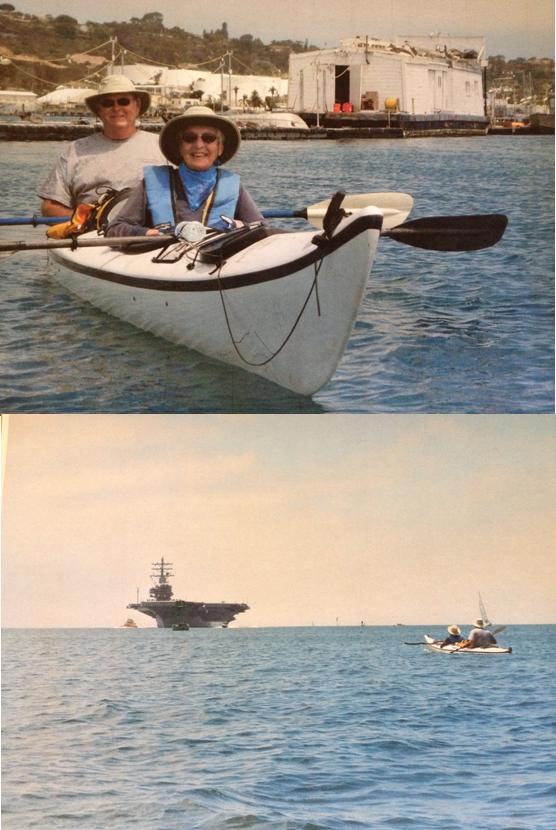
Las imágenes de este post son de mi mamá. En un kayac. Afuera, en el océano. MUY afuera. Con los sellos y los barcos (¡grandes!) y las olas.

Recuerda, mi mamá tiene casi 80 años y lucha contra el cáncer con tratamientos de quimioterapia cada dos semanas. Ella es frágil y débil. Ella odia volar y tiene que fumar… pero ella voló a San Diego, California para pasar tiempo por el océano que ama con un amigo que le ama a ella… y ella disfrutó de una aventura de siete horas en un kayac… y ¡le encantó!

Estoy muy orgulloso de ella.

Muy a menudo permito que el miedo o el inconveniente o el lo-que-otros-piensan interferir con mi deseo de intentar algo nuevo o perseguir un sueño o enfrentarme a un desafío. Puedo conformarme con estar cómoda en lugar de superar, con el más o menos en vez del máximo,con el statu quo en lugar de la satisfación.

Pero yo quiero una vida que es más que adecuado. Creo que Dios me ha creado para una vida abundante. Quiero vivir a todo dar y con toda mi fuerza con menos vacilación y más corazón, menos preocupación y más pasión, menos limitación y más libertad.

Tim McGraw canta una canción del estilo country que dice: “Espero algún día que tengas la oportunidad de vivir como si estuvieras muriendo”. Mi mamá me está ayudando a aprender a vivir de esa manera.

¿Y tú? ¿Tienes una lista de últimos deseos? ¿Qué te impide vivir la vida al máximo hoy?

a bucket list

mom kayakI read recently that the words “bucket list” are going out of style, as trendy words sometimes do after overuse during a period of time.

Personally, since doctors gave my mom the terminal cancer diagnosis, I have not been too concerned about the trendiness or overuse of the word. It is much more important to me that she is living her bucket list.

The pictures in this post are of my mom. In a kayak. Out in the ocean. Way out. With seals and (big!) boats and waves.

Remember, my mom is almost 80 years old and fighting cancer with bi-weekly chemo treatments. She is fragile and weak. She hates to fly and has to smoke… BUT she traveled to San Diego to spend time at the ocean she loves with a friend who loves her… AND she took a seven hour adventure in a kayak… and she loved it!

I am so proud of her.

Too often I let fear or inconvenience or what-others-will-think get in my way of trying something new or pursuing a dream or taking on a challenge. I can settle for comfortable instead of fulfilling, good enough instead of invigorating, status quo instead of satisfying.

But I want a life that is more than just adequate. I believe God created me for an abundant life. I want to live all-out and full-force with less hesitation and more heart, fewer petty concerns and more passion, less worry and more freedom.

Tim McGraw sings a country song that says, “I hope someday you have the chance to live like you were dying”. My mom is helping me learn to live that way.

How about you? Do you have a bucket list? What holds you back from living life to the fullest today?