independence vs wisdom

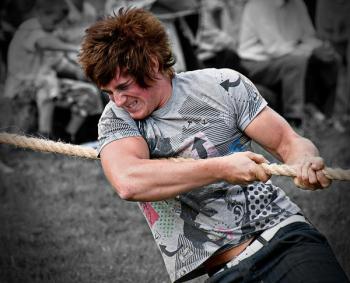
tug of war
My dad was in a roll-over accident the other day. Miraculously, he was not hurt except for a scratch on his arm, but he totaled his truck. He is getting older and his Parkinson’s is getting worse, and it is time for another one of those difficult tug-of-war conversations between the desire for independence and making wise choices

This situation has caused me to contemplate the great number of difficult conversations we have on that subject throughout life.

Anyone who has spent time around toddlers knows that the “I want to do it myself” declarations begin earlyIndependence means tying shoes and picking out a favorite shirt to wear. It is a difficult stage for young parents who balance teaching new skills and keeping little ones safe. 

Adolescents push this contrast to a whole new level. With a sense of invincibility, the almost-adults keep parents on their knees as they begin to get around without parent-provided transportation and challenge to make independent decisions about friends and values.

Young adults move out, but are sometimes still tied financially to the nest. Some stay tied emotionally too, but others sever the family cords dramatically as they choose career, spouse, and lifestyle independent of family control.

As we age, we change sides, and the child’s desire for independence from parents converts to the parents’ resistance to dependence on the children. Just as the young ones want to act independently, so do the older adults. Independence struggles for mobility, living arrangement and health care choices.

We all take pride in our independence and do not want to burden others. We each believe we can make (our own) wise decisions and want respect from others as we attempt to stand on our own. These on-going struggles seem inevitable at every life stage and a part of a good, healthy life journey and growth.

If that is true, maybe I should not fight so hard, no matter what stage I am in. I never really have complete control over my life… even less others’. In my heart I know that help from others is a very positive thing; good counsel facilitates wise decisions. It takes humility to accept help, and less pride is good for me too. Perhaps instead of facing this as a tug-of-war, I can view this as a both/and relationship rather than an either/or debate.

How do I find an alliance between appropriate independence and respect at each stage of life AND appreciate the wisdom of others in my life?  How can I help others to do the same?

How do you handle the desire for independence and wise choices?
when holidays hurt

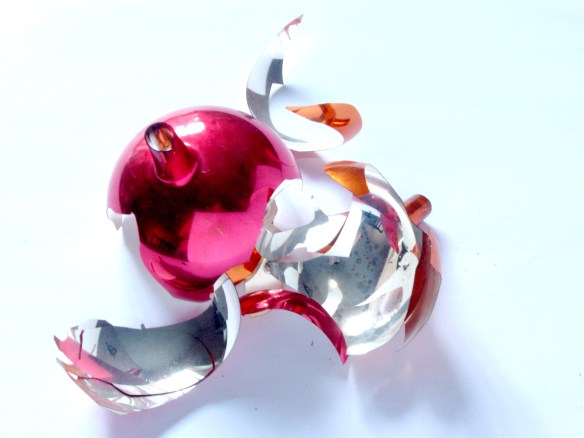
broken ornamentMy husband’s family lost both mom and dad in the last year. Christmas will feel empty at times, like something is missing… because they are gone. There will be a longing in our hearts, tears in our eyes, and arms aching to hug someone who is not there.

My friends have not had any contact with their daughter for 10 years. They can not see or communicate with their grandchildren. They don’t know what they did. They also lost a younger son to cancer over five years ago. Family gatherings are not easy for them. Pain is always there.

Special friends are terminally ill. My mom is battling cancer. I am so very grateful she is with us this year – we did not dare to hope that a year ago, but treatments make celebrations difficult: energy is low, appetite is gone, fears of the future lurk in the corners of our mind.

My sister’s son lives far away. He is making life choices that are not the best. She worries about him and struggles with how to respond and relate to him – words chosen carefully, trying to show more love and less disapproval, but it is hard. Even a phone call takes more emotional energy than is available at times.

Lack of money stresses others. How to explain to the pleading eyes of a child that “Santa” will not bring that new toy? How to help a teenager understand that the new trendy phone is not in your budget, and they do not “need” what “all” their friends already have?

Even inner battles over how to celebrate can plague us. How many presents do we buy? How much do we spend on (more!) decorations? How many parties do we attend? How much food do we eat? … when we know others around the world have no clean water, or food, or shelter… How do we reconcile marketing pressures with message focus?

Tears and laughter are both part of our life-long journey. No one is exempt. A very wise man once said…  Be happy with those who are happy, and weep with those who weep.

I have a burden on my heart to pray for those who hurt this year – that they will have someone near to share a shoulder to cry on and hold them in a hug that says that they are loved. Maybe in some cases, that someone will be me.

I also want to delight in the sweet and happy moments of this year and live them to the fullest – not let petty, insignificant things steal my joy or lose my focus… savor every decoration, Christmas carol, and special flavor, and store them as deposits in my soul… because one day I will need to draw from them… or share them with others.

Is there pain in your heart this year?

How do you help others when they are hurting?

in tune with CHRISTmas

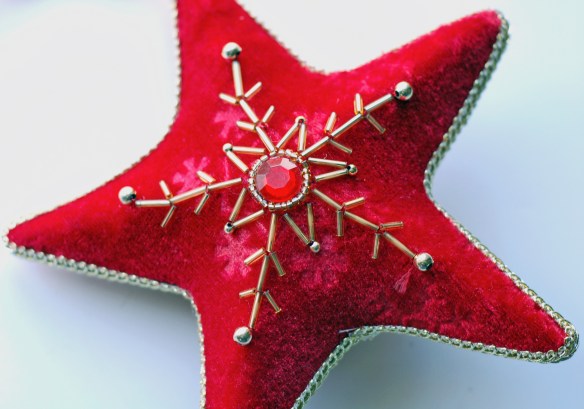
starOther people started a long time ago… singing, shopping, decorating.

I’ve been trying very hard to avoid it. I haven’t thought about it much at all. I have been focusing on the present.

But now it’s right around the corner.

I felt stressed this morning.  

No more pretending.

No more ignoring.

No more procrastinating.

It’s CHRISTmas!

I so often wish that Thanksgiving and CHRISTmas were separated by various months in the calendar instead of back-to-back with only weeks in between. I actually enjoy both holidays very much, but I don’t like feeling that either one overshadows the other.

So I did my best to focus on Thanksgiving until we had celebrated completely… and now I need to re-focus. This year, I have a great desire to spend more time in tune with the Person of the season and less time tuned in to the commercialism and the consumerism that bombards me from all angles.

So far I have thought of a few things I can do…

Daily Reflection – I have already downloaded two new free Advent resources, and I am sure there will be others available. Starting each day with my mind and my heart on the right track will help me remember what is most important during these weeks.

Personal Focus – I greatly prefer experiences and memories over gifts, so rather than shopping alone, I plan to spend more time with the people I love. There are many special activities available during this season. I hope to revisit some old favorites and discover some new ones too.

Say “NO” to Stress – So much of my stress is self-imposed, because I don’t schedule well or I take on too many things without leaving any margin. I’m going to try to choose well according to my priorities and say NO when I feel like I need “down time”.

Take Care of Myself – I have already found that the cold and festivities are wreaking havoc on my exercise, sleep, and diet habits. I know I need to rest, work out, and control my calorie input in order to fight off seasonal “bugs” and have energy for all the extra fun and people.

Practice Grace and Forgiveness – Speaking of people, I often spend time with lots of people during this holiday… some are dear, cherished family and friends… some are more difficult for me. In addition, there is something about the high expectations of special activities or once-a-year visits that set me up for frustrations and hurt feelings. This year I am going in with the expectation that I will most likely have to give and ask for grace and forgiveness numerous times.

What do you do to make CHRISTmas more meaningful for you or your family?

learning to be thankful

ID-10087368I’m not very good at being thankful. Well, maybe I’m not that bad when it means saying “thank you” to the waitress or the hotel clerk. I do that pretty well. I am less quick to express my gratitude to those closest to me… my husband, my family, my God. That is a bit ironic since they are the ones who give me the most and the best of themselves. They give over a long period of time. They give well.

I suppose it is that very consistency that leads me to take them for granted. I hardly notice the effort, or I deem it expected and obligatory… just an ordinary part of life.

But love and sacrifice are so not ordinary.

When a husband stays with his wife through hard times and sad times and keeps loving and laughing and giving and forgiving, that is something special. When children respect and enjoy their parents… and each other… in spite of hurts and differences and distance and time, that is something special. When God loves without limits, unconditionally and unendingly, that is something special.

Not to be taken for granted.

I want to notice these special gifts and be more grateful. Thanksgiving is such a wonderful reflective time of year. It so frequently gets lost in between the other holidays, and yet it is so important for me. I need the continual reminder.

So I don’t just expect and assume with those I love… so I remember to say “thank you”.

Who do you want to thank today? 

questions for a destination

Roundabout SignageHave you ever had a conversation with someone that went around and around in circles and ended without any resolution, next steps, or action plan? That might be OK for some informal or ideological discussions, but a coaching relationship helps the client make progress towards a goal.

An effective coaching process begins with the client (or spouse/child/co-worker/friend) choosing a personal or professional goal, and then discussing options and barriers with the help of open and probing questions from the coach. Once the client chooses their best option, it is time to move the conversation towards action steps.

I recently learned three types of questions that the coach can ask to help the client move forward: Direct, Revealing, and Ownership.

DIRECT Questions:

Good direct questions focus and challenge, but do not threaten or judge. They are neutral and inquire without using guilt. They avoid the word “why”. They ask for action or decision and point toward a positive outcome.

“What will you do?” “Do you want to focus on XXX or on XXXX?”
“What investigation have you done?”
“What might you need to do to ensure a good decision?”

REVEALING Questions:

Revealing questions help people “get out of the box” when they feel stuck and unable to move forward. They help the client discover the limitations (physical limitations, finances, fear, priorities, lack of information, etc) they view as unchangeable obstacles and look for creative alternatives.

“What if you thought outside of the normal structure?”
“Who else could help you?” “What could you do differently to free up new resources?” “What if you had four extra hours in your day?”
“If that difficult person wasn’t there, what would you do?

Another option is to help them imagine a new situation without the barrier… “What if you had all the time you needed, what would you do?” “If you couldn’t fail, what would you try?” “How would your perfect job look?”

OWNERSHIP Questions:

Ownership questions help people avoid blaming others and take responsibility for the action. They help take away justification, excuses, and passivity, and instead lead to growth opportunities.

“What might you have done that contributed to the conflict?”
“How can you make things better?” “What might you do differently?”
“Which step do you want to take?” “How do you want to do that?”

A last helpful tip or two… When your client talks about action steps, help them be as specific as possible and include timelines.

Usually, in a coaching situation, the coach is simply helping the client recall or use their own existing information and knowledge. If, as the coach, you feel the situation requires your input, ask permission before you speak!

“Can I challenge you on that?”
“Would you be open to hearing a different perspective?”

These questions can help us get out off of the roundabout and on to our destination!

Which of these questions might be most helpful to you?

______

Many of these questions and more can be found in Leadership Coaching by Tony Stoltzfus. I highly recommend the book!

amazing birthday cake

blowing candleThis is not a food blog, but this was too fun not to document somewhere! My sister and I made this cake years ago. It requires many not-in-my-fridge ingredients, takes a lot of work and many hours of time, but tastes amazing in the end.

Last time we made it, after we let the cake chill for three hours, we unveiled our creation… and it had cracked right down the middle. I swore I would never do it again!

… but I should know to never say never… and today we made the cake again in honor of my birthday. Nothing like spending all day making your own birthday cake!

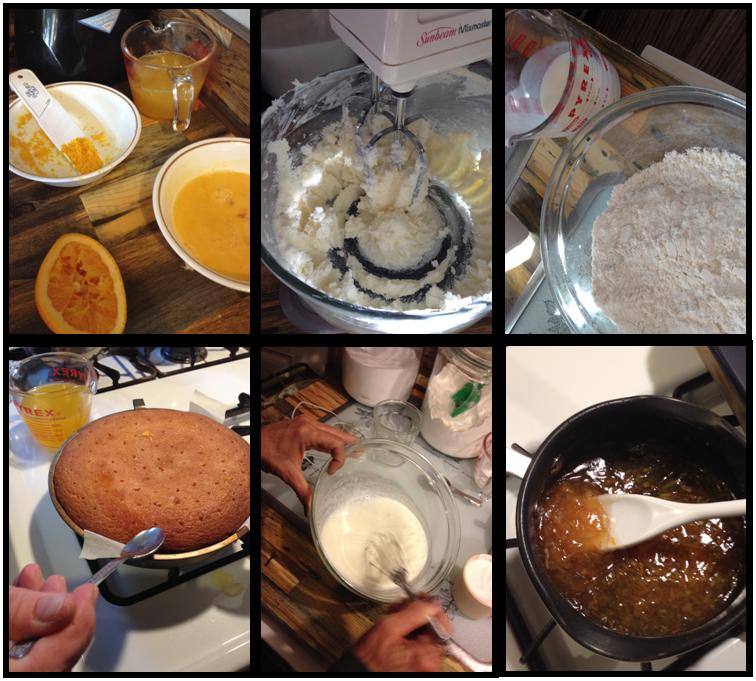
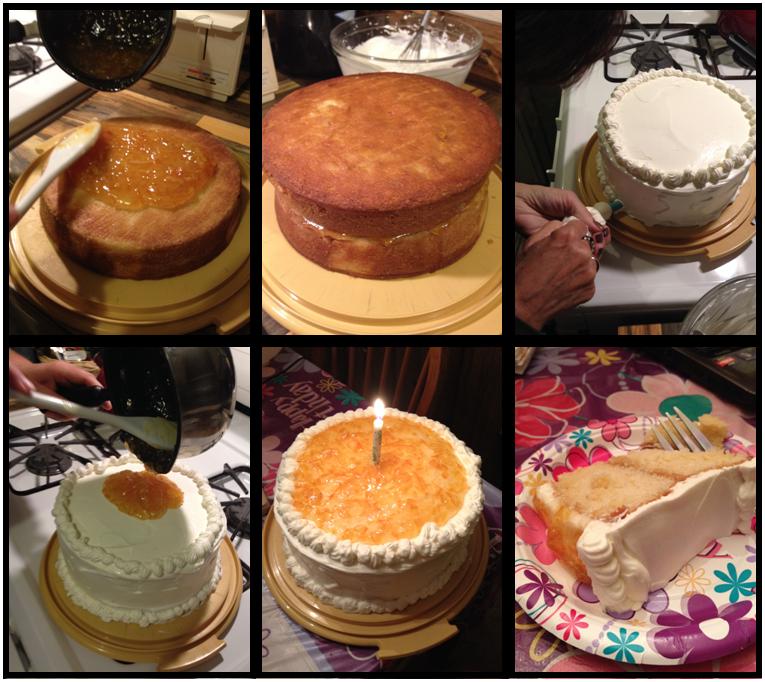
It was actually a very fun way to spend the day with my sister… and even my husband, Steve, helped some! So while we are waiting for the cake to chill so we can eat it, I am going to post some pictures of the process for you. I wish I could share some of the cake with you!

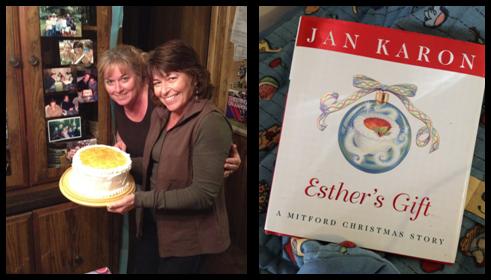
The recipe is called Esther’s Orange Marmalade Layer Cake, and it is found in Jan Karon’s Christmas story, Esther’s Gift.

Picture2

Esther’s Gift is a short story of grace and generosity… and very fitting that I made the cake together with my sister, who has shown both grace and generosity in sharing her house with my husband and me while we are in transition.

Picture1

The cake tasted better than we remembered! Second chances are a good thing! Today I am especially grateful for the gifts of life, family and love… and second chances.

Picture3

Have you received an important second chance in your life?

Do you celebrate any special birthday traditions in your home?

asking powerful questions

questions Do you ask powerful questions?

I have been learning about active listening the last few weeks; now I am learning about how to ask well. Once again, I felt convicted and challenged by all that I can improve, especially if I want to demonstrate respect and allow the other person to come up with their own answers.

I am especially challenged by this key attitude check… Do I believe the best in the person and their ability to solve their own problem(s), or do I just want them to do what I want them to do?

You may already recognize some of these questions already, but if you are like me, there are some new ones in the list and/or some that you can use more often…enjoy the review!

OPEN / CLOSED QUESTIONS:

A closed question can only be answered with a simple “yes” or “no” answer. It does not invite further conversation or deeper sharing. An open question, on the other hand, has no right or wrong answer and can be answered in many different ways.

KEY TIP: Almost any closed question can be made open by adding “how,” “what,” “which,” or “who” at the beginning.

Example: “Did you do your action steps this week?” “No.” (Closed)

   “What did you do on your action steps this week?” …… (Open)

SOLUTION-ORIENTED / BIGGER QUESTIONS:

Solution-Oriented questions are often well-intentioned, but they are actually just a predetermined answer in the form of a question. (This one was very convicting! I know I am often figuring out how to fix the situation as I listen. 😦 ) A Bigger question allows the other person to take charge of thinking up the solutions.

Example: “How about if you took a class in that?” (Solution-Oriented)

   “What are some ways you could learn more about that?” (Bigger)

PROBING QUESTIONS:

Probing questions explore and gather more information. They are neutral and help to keep the person talking.

Key Tips: Avoid “Why did you…?” questions and remember that 80% of “air time” is for the person you are coaching. Just 20% is for the coach.

Examples: “Tell me a little more about that.” 

    “What did you mean when you said__________?”

    “How does that make you feel?”

If you try some of these questions this week, let me know how it goes for you!

What are some questions you would add to this list? (Notice my open, bigger, probing question! 🙂 )

**These are great questions for encouraging the thought process. Next week we will look at questions to use for helping people move toward action steps!

how do you want to be remembered?

Bob Morgan memorialHow do I want to be remembered when I die? Not something I think about very often… or want to.

However, attending a memorial service this past weekend caused me to think about things that I am often too busy to consider.

My father-in-law died a few weeks ago (about one year after his beloved wife, Nancy) and we gathered for a very special time with family and friends to share stories, hugs, tears, and time together. Meals, music, and memories filled the days. We remembered Bob as family, friend, coach, and faithful husband.

Bob’s life did not begin easily. His father deserted the family when Bob was young, and Bob ran the streets unsupervised with his “river rats” pals. There are plenty of stories about their escapades and mischief… and probably some that still remain untold! Bob
credited the Marines and basketball for turning his life around, teaching him the discipline, values, and commitments that characterized his later life.

At Bob’s memorial, we looked at picture boards and video presentations and listened to some of his favorite songs and people share about his life. Over 80+ years, Bob left a lasting legacy.

PERSONALLY – Bob invested his life with passion into those things he loved and enjoyed. Bob served bravely and proudly in the Marines. After his tour of duty, Bob dedicated his life to his love of basketball. He played in college, and then coached for many years, winning the 1971 Wisconsin State Championship for high school boys’ basketball… and many years later, he came out of retirement to coach a win-less, small-town, girls’ team to their only winning season. Bob loved the “lake”: fishing, pontoon rides, and the spectacular seasonal views from his front porch. He also loved all kinds of music and enthusiastically sang and played with family and friends through the years. He was famous for his Louis Armstrong karaoke version of “What a Wonderful World”, and we sang it at his service.

What are you passionate about?
Are you investing your time, abilities, 
energy and resources there?

RELATIONSHIPS – Even without early strong role models, Bob left a legacy of strong family bonds and loyalty. Bob adored his wife Nancy; it was obvious to all who knew them. His family laughed together, cried together, disagreed, and forgave each other… always staying close and enjoying time together. Bob also developed long-term friends from all walks of life. He was friendly and witty, and had a special place in his heart for the underdog. The Morgan campfire always warmly welcomed family and loved-like-family friends.

How are your relationships? Are they committed, loving, loyal, deep?

FINANCIALLY – Bob was a high school teacher and coach… not highly paid professions. Yet, Bob and Nancy were excellent stewards of their resources. In life, they were thoughtful gift-givers and traveled frequently to visit family. They opened their home and hearts to many, some for short visits, others for long-term care. They wintered in South Padre, TX for many years, enjoying warm weather and dear friends. When they died, they left an inheritance to their children. They were generous in life and in death.

Are you a good steward of what you have earned/received?
Are you generous to others?

FAITH – Bob and Nancy both demonstrated a personal faith and encouraged it in others. They faithfully attended church through the years, although the particular denomination was not important. Personally, I am grateful for how they encouraged our missionary family and prayed for us, even when they knew that our faith choices meant our family would never live near to them. Both Bob and Nancy understood God’s gift of
forgiveness and were at peace when they died.

Where are you on your faith journey?
Would you be at peace with God if 
you were to die today?

Bob and Nancy have helped me reflect on my own “wonderful world” and the legacy I want to leave behind… How about you? How do you want to be remembered?

Happy International Coffee Day!

coffee cup and beansI love my coffee. Bold and black – no cream or sugar or flavors or whipped topping for me. There is something special for all my five senses… the warm feeling of the cup between my hands, the soothing aroma and the delicious flavor for my palette. I love comfortable coffee shops and collect coffee mugs from around the world. I also have sweet childhood memories of the percolating coffeemaker sounds in the kitchen in the morning. 

My favorite thing about coffee is how it is the catalyst for invigorating and/or vulnerable conversations with friends.

International Coffee Day is celebrated in various countries around the world (Japan, Nepal, Taiwan, Indonesia, and the US to name a few) on September 29. In some places, the day is also used to promote fair trade coffee and to raise awareness for coffee growers around the world.

Here are a few of the great benefits we obtain from coffee:

1. Coffee is a great source of antioxidants! Antioxidants can help protect your body from heart disease, cancer and premature aging!

2. Coffee helps you learn better and stay more alert at work! Studies show that people who drink coffee are relaxed and more interested in their work. The caffeine stimulant in coffee helps restore and maintain alertness and helps improve attention, memory, and wakefulness.

3. Coffee also enhances your physical performance! According to research, caffeine plays a role in providing energy for better athletic performance and can also reduce post-workout muscle pain.

4. Zero calories in every cup! (As long as you don’t add sugar or milk or creamer!)

5. Coffee can help protect your skin! The antioxidant-rich properties of coffee can help your skin fight the damaging effects of the sun and prevent wrinkles as well.

6. Coffee can help ease headaches! Caffeine constricts blood vessels and helps counter the painful effects of blood vessel dilation that cause headaches.

And a few (very important!) points of coffee trivia…

  • Coffee is the second most traded commodity in the world! (The first is oil.)
  • Starbucks is the largest coffee-house company in the world. (No big surprise here.)
  • We drink A LOT of coffee. Everyday the world consumes over 1 billion cups of coffee.
  • Finland is the #1 coffee drinking country in the world (Would you have guessed that?!) Norway, Iceland, Denmark, Netherlands, Sweden and Switzerland round out the top 7. America, is number 26.

Happy International Coffee Day to you!

Just for fun… how do you like your coffee?

highlighting the defects

picstitchWhat a strange process!

The other day, my sister and I repainted an old dresser in preparation for her friend, Pam, to visit and “distress” it. We diligently chose the correct type of paint and special tools for the process. We then spent hours spraying and re-spraying to get a nice, smooth finish and hide the old color. We did our best to avoid drips and smudges and uneven spots.

Truthfully, we did not get the result we wanted. The new paint didn’t look smooth or even or anything close to perfect. We couldn’t make it look new.

Pam arrived. She is an expert furniture re-finisher… at least compared to us. Unconcerned with our paint job, she quickly set to work with her electric sander. She intentionally rubbed off our carefully applied paint. She focused on the areas where typical wear and tear appear. She sought out our drips and uneven spots and sanded there with extra attention. She explained that often the more worn the piece looks, the more valuable it is at the store.

As she sanded, I thought about how this process is much like my life. I sometimes try hard to paint over my imperfections and my worn out spots. I attempt to present a smooth, even finish in my attitudes and actions. I work to hide my weaknesses in character. I want to avoid mistakes, errors and the evidences they leave behind… and it doesn’t turn out that well.

On the other hand, I often appreciate a person who displays a few unique “worn spots” in their life. The vulnerability and authenticity of imperfections are often more beautiful than an attempt at false perfection. Sometimes, loving attention given to weak areas adds value. The people who come alongside and help us in that process are a treasure… and the defects become highlights.

How do you view the defects in your life?