a place of community

Grandpa's cabin - courtesy of Sarah Joelle PhotographyI have just been blessed with a few days of family vacation time in the gorgeous Colorado mountains. My dad has a rustic cabin next to the Conejos River, and for many years the extended family (and some special friends) meet there to relax, fish, play games, and eat WAY TOO MUCH. It is a special time and provides sweet memories that last for the rest of the year.

Family get-togethers help me practice being grateful for varieties of talents and differences of opinions! Although we get along amazingly well even with the diversity represented at these gatherings, our personal preferences definitely surface…

  • Some like to talk while others want to sleep in the hammock
  • Some want to fish; others want to read on the porch
  • Some sing; others play games or do puzzles
  • Some enjoy “olympics” competitions; other a talent show 
  • Some shoot; others hike; some run trails
  • Some tell jokes; others laugh ’til they cry
  • Some sleep in late; others go to bed early
  • Some cook; others just eat… and eat… and eat

There is a lot of freedom at the cabin – not much judgement or criticism when we choose to do our own thing. There are usually plenty of people around for any activity, and there is plenty of space to find solitude too. Experts teach how to play guitar or fish or build something; those who think they are experts have a captive audience for their lectures.

We work hard to accommodate each other; bigger families get the bigger rooms, and showers get shortened (except by the teenagers) to save hot water. There is no agenda or schedule or routine. We share groceries, dinner prep, and clean up. We watch out for each other’s children and dogs – with only minimal complaining. It is a place of real community… and love.

Reflecting on that special time, I wonder why I don’t act like that more often… more at rest with time and more at peace with the people around me. Why can’t I judge less what others choose and enjoy more fully what I am doing? Why can’t I give up my space, comfort, and expectations without a negative attitude?

I am hoping this year that I don’t just remember the fun activities, but also the heart attitudes and the shared service that made it so much fun. I hope I can apply those principles not only to vacation, but to everyday life also.

What does your family enjoy together? What do you learn from those times?

destroying double standards

home freedigitalphotos smarnad
Last week I re-posted in honor of my anniversary,”Tips for a long-lasting marriage or friendship“. The first tip I listed was partnership.

Then this morning I was reading the chapter, “Making Your Partner a Real Partner” from Lean In by Sheryl Sandberg… so I have partnership on the brain today!


Sandberg writes mainly advocating for women in leadership, but this chapter
advocates very much for men.

One thing that has concerned me through the years has been the limited role of men in home and family. As a woman blessed to have a spouse who has been a “real partner” for our 28 years of marriage, I find it easy to advocate for real partnership in marriage, home, and work.

Sandberg mentions various barriers to real partnership at home that I have seen and experienced myself. She also suggests ways to overcome the barriers. I wonder if you can relate to any of these?

1. Empowerment

Just as woman struggle with lack of empowerment in the business world, men often face a lack of empowerment at home.Too many times I have heard women criticize their husbands’ for how they feed, dress, or interact with their children. In my opinion, these women not only sound disrespectful and insulting, but also prideful, and they are doing their marriage partnership a great disservice (and increasing their own work load). Sandberg correctly states, “Anyone who wants her mate to be a true partner must treat him as an equal–and equally capable–partner.“¹ it is fine to choose task assignments according to preference or skill, but assuming and communicating that a man cannot do (or learn to do) a good job at home is demeaning and de-motivating. On the other hand, empowering will help to take down the barriers between real partners.

2. Encouragement

Derogatory jokes, lack of role models, and social stereotypes all make it more difficult for men to openly and actively participate as full partners at home. I have known a few men who were the primary care-givers for their children. I have known more men who shared equally home and family responsibilities (my husband included).Others teased, questioned, and sometimes isolated these men because of their desire and commitment to actively engage as true partners, rather than praised and honored for their choices.Thankfully, these men did not have the (oft-ascribed) fragile male egos I am frequently warned about, and they refused to be discouraged or dissuaded by stereotypical expectations. Men and women both can do a better job at encouraging men when they act as true partners.

3. Employment policies

Most companies do not offer men the same paternal benefits that are available to women. According to Sandberg, “Only two states offer paid family leave that fathers can use”². Men often pay an even bigger penalty than women via social pressure, low performance ratings,and fewer advancement opportunities if they take time off to prioritize family needs. I believe we need to improve the organizational/governmental policies and laws to support true partnership.

Sandberg claims that true marriage partnership results in greater satisfaction, less divorce, and more sex³, and greater father involvement produces “higher levels of psychological well-being and better cognitive abilities”⁴ and “higher levels of educational and economic achievement and lower delinquency rates”⁴ for the children. These benefits motivate me to work to eliminate the double standards that inhibit true partnership.

Are there ways you can improve true partnership in your marriage?

If you are dating, are you establishing true partnership patterns today for future marriage? 

——-

**For more chapter summaries from Lean In, read here and here.

¹ Sandberg, Sheryl. Lean In. New York: Alfred A. Knopf, 2013, pg. 109, para. 2. 
² Ibid, pg. 113, para. 2.
³ Ibid, pg. 118, para. 1. 
⁴ Ibid, pg. 113, para. 1.

a bucket list

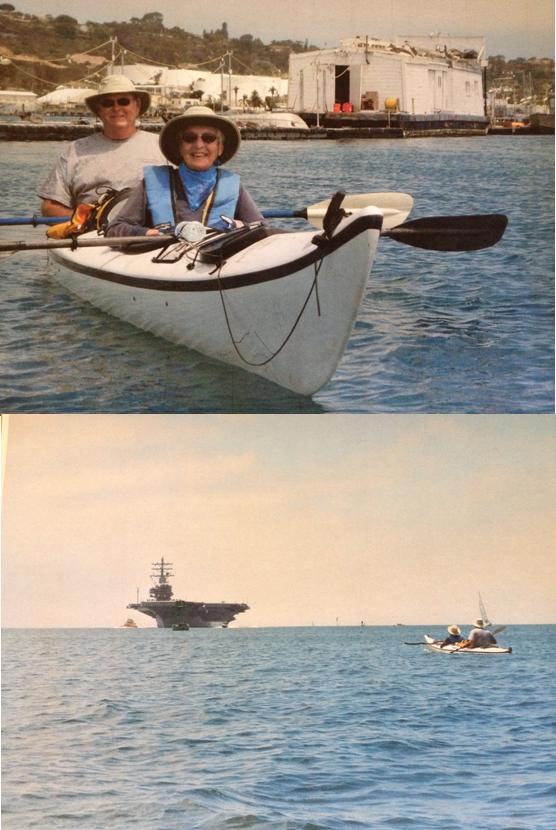
mom kayakI read recently that the words “bucket list” are going out of style, as trendy words sometimes do after overuse during a period of time.

Personally, since doctors gave my mom the terminal cancer diagnosis, I have not been too concerned about the trendiness or overuse of the word. It is much more important to me that she is living her bucket list.

The pictures in this post are of my mom. In a kayak. Out in the ocean. Way out. With seals and (big!) boats and waves.

Remember, my mom is almost 80 years old and fighting cancer with bi-weekly chemo treatments. She is fragile and weak. She hates to fly and has to smoke… BUT she traveled to San Diego to spend time at the ocean she loves with a friend who loves her… AND she took a seven hour adventure in a kayak… and she loved it!

I am so proud of her.

Too often I let fear or inconvenience or what-others-will-think get in my way of trying something new or pursuing a dream or taking on a challenge. I can settle for comfortable instead of fulfilling, good enough instead of invigorating, status quo instead of satisfying.

But I want a life that is more than just adequate. I believe God created me for an abundant life. I want to live all-out and full-force with less hesitation and more heart, fewer petty concerns and more passion, less worry and more freedom.

Tim McGraw sings a country song that says, “I hope someday you have the chance to live like you were dying”. My mom is helping me learn to live that way.

How about you? Do you have a bucket list? What holds you back from living life to the fullest today?

flashbacks and memories

She would have been on the porch waiting and watching anxiously for our arrival. She would have walked slowly over the gravel rocks to the parking area to bear hug each one as they exited from the car doors. With a sweet, gentle smile, she would have commented on how each child had grown, how good they looked, and expressed how happy she was that we were here… but, she wasn’t there this time.

photoThe house seems quiet without her, but her presence is everywhere: her handiwork on the walls, her pictures on the fridge, her jackets still hanging and occasionally borrowed for a walk down the lane.

Conversations frequently turn to her… “Must be weird for you to be here…”, “First time back since…”, “I miss her too…”. Eyes fill with tears.

I missed her especially in the kitchen, where she was often, brewing the morning coffee, making up a quick snack or a full meal, answering the phone, taking notes, finishing crossword puzzles, always with a warm welcome when we came upstairs.She probably would have baked a cake for her firstborn’s special visit… but there was no welcome cake this year.

I missed her at the campfire too. How she laughed at the antics of the dogs and the people. How she loved to listen to the music. She would smile so proudly and compliment each musician in turn. She would sing along with the favorites and listen carefully to new melodies. This year, Papa sat alone at the fire-pit.

Papa is so sad and lost without her. The love of his life is gone and life feels empty and lonely and long.

I understand. I miss her too. Her life was a legacy. I know she’s in a good place with no more illness or hurt, but that doesn’t lessen our pain here. It’s only been a year, but her absence will be felt forever. ♥

Have you lost someone special? Are there special places or times that remind you of them?

do nice girls finish last?

Lean InI am making my way through Sheryl Sandberg’s book, Lean In, and chapter three made me stop and think a bit. The chapter is called “Success and Likeability”, and Sandberg starts out with a Harvard Business School case study based on the experience of an entrepreneur named Heidi Roizen. Sandberg writes:

The case described how Roizen became a successful venture capitalist by using her “outgoing personality… and vast personal and professional network [that] included many of the most powerful business leaders in the technology sector”. [The professors] assigned half of the students to read Heidi’s story and gave the other half the same story with just one difference – they changed the name “Heidi” to “Howard”.

[The Professors] then polled the students about their impressions of Heidi or Howard. The students rated Heidi and Howard as equally competent… their accomplishments were completely identical. Yet while students respected both Heidi and Howard, Howard came across as a more appealing colleague. Heidi, on the other hand, was seen as selfish and not “the type of person you would want to hire or work for.” The same data with a single difference – gender – created vastly different impressions.¹ (emphasis mine)

Sandberg argues that the case study further proves research that,”When a man is successful, he is liked by both men and women. When a woman is successful, people of both genders like her less.”² Sandberg explains that from early on, girls learn that intelligence and success are not the path to popularity. In addition, socially acceptable behavior allows men to claim credit for achievements and assertively negotiate for higher salary, whereas a woman is perceived as arrogant and self-serving if she does the same. Women are expected to help without reward, and care and advocate for others.

The ultimate goal is to eventually eliminate different attitudes and treatment based on stereotypes, but until then Sandberg offers a few suggestions for women. I’ve re-written them in my own words here:

1. Pay the price – Women need to accept that there will be unfair biases and criticism. Sandberg suggests that we allow ourselves to feel and work through the emotions generated by the criticism, but then move on and do our job.

2. Play to your strengths – Some of the common “nice” characteristics ascribed to women – caring, communication, community – greatly improve teamwork. As women smile and appreciate others – while focusing on the task – productivity increases.

3. Position yourself communally – Women will have more success in negotiations when they use “we” vocabulary as context for their requests. Petitions couched in common interests and concern for the common good are more readily accepted from women than those that appear self-centered or self-promoting.

4. Purpose to become comfortable with power – It will take concentrated effort to change mindsets and perspectives based on years of habit and feedback, but as women work to become more comfortable with their power, they will also lean in with greater confidence.

Have you ever struggled with the “nice” girl dilemma? What do you think of Sheryl Sandberg’s tips for overcoming that stereotype?

For my men readers… what do you think? Are women held to a different standard than men?

______________________

¹ Sandberg, Sheryl. Lean In. Chapter 3, para. 2-3. New York: Alfred A. Knopf, 2013.

² Ibid. Chapter 3, para. 4.

new car nostalgia

20130715-130443.jpg
We are selling our car and buying another one. That happens all the time. Not a big deal for some people, but others will understand when I say that this is a bit of an emotional roller coaster for me. Don’t get me wrong… I am excited to have a new(er) car. This one is the size, miles, price, and even color that we wanted. We are buying from a very reputable dealer, and we even get to trade in our old car. So what is my problem?

Trading in the “old” car is the problem. You see, the old car is full of memories… many years full of memories. The old car was a miracle gift from very special friends. It has carried my whole family – plus a few friends – to and from our international home more times than I can count. It has been full to overflowing on the way to conferences, retreats, vacations, and school trips.

The car has transported our garage sale treasures, numerous could-you-help-me-move-this items, and all of our children’s belongings when we left them at college. Last summer, we took our last big (crazy!) family trip in that car – seven of us and a dog – from Colorado to Wisconsin to visit my husband’s mom just before she passed away.

Yes, the car is full of memories. Memories of a time gone by when all my children were at home with me. Now the car is too big for just my husband and me. It is getting old – as we are – and starting to break down more often – as we are… it is time for a change.

I’m sure that just a few hours in the new car will convince me. It is smaller, more practical, more gas efficient, more modern… just right for our new life. It will be fine – even good for us – but I will miss the old car… and I will be thankful for the memories.

What brings back memories for you? Are there items that have been emotionally hard for you to let go?

a leader’s power

ID-10089906I stumbled on a post this morning by James Lawther on the Great Leadership blog. The post reviews the Avianca flight 52 from Bogotá to New York that crash-landed on January 25, 1990 outside of New York, killing 73 of the 158 passengers.

Inadequate communication between the flight crew and the tower controllers regarding the urgency of the situation contributed to the tragedy. Lawther claims the communication breakdown was the result of a challenge that is heavy on my heart and common in my experience – high power distance.

High power distance is a phenomenon that we deal with less often in the United States, but it is a big challenge in the cultures of places like Latin America, Asia, or the Middle East. High power distance means that there is an unseen but very real chasm between the leader/boss/director and the team or those who work for the leader. Although the leader is often treated in a superficially friendly and respectful way, they are viewed as  untouchable, unapproachable, un-confrontable authority figures who have the power to make unilateral decisions and carry the ultimate responsibility for their subordinates.

In high power distance cultures, it is difficult to have healthy team relationships, since team members are hesitant to speak honestly and directly with the leader. In some cases, the leader perpetuates the problem by leading in an insulated, controlling, and overbearing manner. In other situations, team members reluctantly agree to plans or avoid discussing problems in a group setting, but then resort to passive-aggressive behaviors or blame-shifting against the leader when failures occur. Personal responsibility and accountability for actions are also weak, since the tendency is to blame the leader for lack of results.

This leadership phenomenon can cause all kinds of challenges and frustrations, but Lawther’s post demonstrates that high power distance can be dangerous – even to the point of physical death. I never experienced that extreme effect, but as a leader in a high power distance culture, I did encounter other consequences: loss of peer friendships, demand for paternalistic care, lack of complete information for decision-making, and gossip and mutiny behind my back.

Since my leadership style is naturally more collaborative and team dependent, I tried to encourage complete and honest communication from my team, repeating frequently my desire and availability to hear their opinions, ideas, concerns, and feedback. I had an open-office policy and often interacted informally with the staff. I had no big office and no receptionist/secretary barrier. With some teammates, I was successful; with others, I never was able to bridge the gap.

This post has once again piqued my sense of urgency regarding the challenge. I hope to learn some principles for breaking down the barriers to effective leadership in high power distance cultures. Maybe you can help…

Have you experienced the high power distance chasm? How do you deal with it? Do you have any ideas about how to close the distance?

why work-life “balance” doesn’t work

Today I am presenting a re-blog post by my friend, Susan DiMickele. She is the author of Working Women of the Bible and other books.

For many years I struggled with the idea of ​​seeking “balance” for all areas of life. I often used “tension” or “rhythm” as a better word, but I enjoyed how Susan described the issue on her blog. I think you are going to like it also…
________

I frequently am asked the question:  “How do you achieve work-life balance?”

My standard response used to be, “Well, I pray and I maintain a sense of humor.”

But then I got to thinking.  Who am I really kidding?  Most weeks, there is no balance in my life.  Why don’t I just admit it?

And I don’t think I’m alone.  The word “balance” just doesn’t describe the lives of most working professionals I know.

Please continue reading here!

Also, if you want to read more about Susan’s excellent book, Working Women of the Bible, I wrote a post about it here.

learning from losing

braceletCancer is a nasty enemy.

It does not discriminate and will attack all types of people.

Too many times the disease wins the battle.

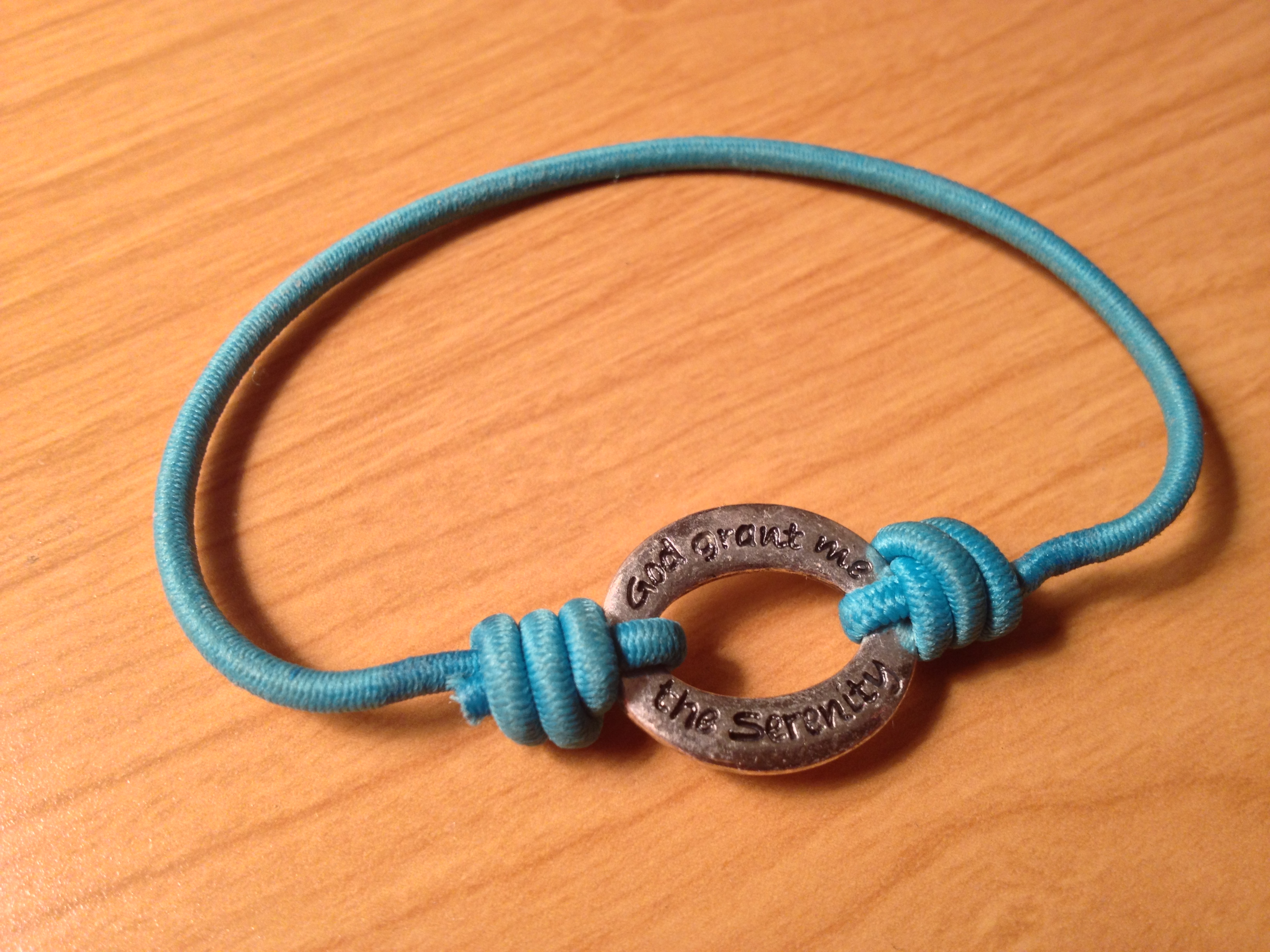
My mom has terminal cancer. I wear this bracelet each day to remind me to pray for her.

I accompanied my mom to her chemo appointment the other day. Since I live in a different state, this is the first time I had the opportunity to meet her doctor and keep her company during her treatment. My sisters have been with my mom many times for these infusions; I am very grateful to them. I counted it a privilege to help this time.

The process went like this…

  • Arrive early to modern, sterile building. Check in at desk #1. Sit and wait.
  • Pay at desk #2. Sit and wait. Make small talk.
  • Chat a bit with kind, gentle, careful technicians and aides. Answer questions. Fill out paperwork. Check wristband.
  • Take elevator upstairs. Check in at desk #3. Answer questions. Fill out paperwork. Check wristband. it’s busy. Many bald, turbaned, walker-or-cane-assisted people come and go. Sit and wait. Mom called in to prepare lab work.
  • Take elevator down one floor. Sit and wait. Get mom water and coffee.
  • Move to examination room. Sit and wait.
  • Short check up with doctor. He speaks fast with a difficult-to-understand accent and medical vocabulary, but also communicates warmth and care. He has no easy answers for leg pain and weakness but he encourages goals, bucket-list dreams, and light exercise.
  • Visit desk #4 to schedule next chemo appointment and full-torso scan to check chemo effectiveness.
  • Take elevator back up. Sit and wait, as lab results are checked and drugs mixed.
  • Move to infusion chair. Answer questions for young nurse. Check wristband with drug bags. Connect port to tubing.
  • Anti-nausea med – 10 minutes. Rinse. First drug – 15 minutes. Rinse. Second drug – 1 1/2 hours.
  • Share pictures on my iPad. Visit with nearby fellow patient(s). Chat about life, grandkids, weather, wigs, cancer support group. Talk about life and death. Eat lunch. Share about feelings, fears, lifestyle changes.
  • Nurse disconnects tubes and connects pump for next two days.
  • Take elevator down. Exit hospital, grateful for another day and time together.

A seven hour process all in all, repeated every two weeks, until the drugs are no longer effective against the cancer or the side effects are too difficult for my mom. This treatment will not cure the cancer. It is terminal. I am losing my mom.

As I sort through the emotions, I learn to look for each small gift… Mom has faith and peace. She still has her hair and walks on her own, albeit slowly. She has good days when she can go out with friends. Mom receives great care from her family and the medical staff. She is loved.

Disease changes life and sometimes ends it, but disease doesn’t define life. There is more.

Have you or someone you loved fought a life-threatening disease? What have you learned from the experience?

two years fly

Aside

“Happy Anniversary! You registered on WordPress.com two years ago! Thanks for flying with us. Keep up the good blogging!”

What a nice reminder message from WordPress! So, it’s been two years now. Hard to believe.

Many days I’m a bit surprised that I have kept it up this long; other days it seems like I just started on this journey yesterday.

I am grateful that my husband encouraged me to begin to write. I have learned so much in the process! And I am VERY grateful for each of you who take the time to read and comment – I learn a lot from you. You have empathized, criticized, challenged my thinking, thanked me, laughed with me, and cried with me. Strangers have become friends, distant friends feel closer, long-time friends have become dearer.

I am often amazed by the visitors to this blog – you visit from all over the world! Most from the US and Mexico, but also from places like India, Finland, Portugal, Hong Kong, Pakistan, and Argentina (today alone!). You read in English and Spanish, and you connect mostly from Facebook posts, but also from almost every other social media forum.

Followers, views, posts and clicks have much more than doubled in the last year. I am grateful for the growing audience and influence. I consider it a great privilege  – one I don’t take lightly – to share my ideas with you.

The most viewed posts this last year have been:

Please do continue to visit and leave your comments. That is a great encouragement to me. You can also subscribe to the blog so that you receive each new post in your email.

So the journey to maturity continues! Don’t forget to bring your coffee!