afraid of failure?

These crazy days have required all of us to adapt in more ways than we ever imagined. We are changing the ways we work, study, shop, travel, play, and interact with each other. However, when we attempt something in a new way, we often feel incompetent, inadequate, and a fear of failure due to our lack of experience.

I don’t like to fail.

At work, we talk a lot about establishing a culture where people feel free to fail. We want people to feel free to innovate and create and attempt things they have never tried before. Disappointingly, despite the desire and communications, we struggle to develop that kind of culture. As I’ve thought about this, I’ve decided that I cannot blame the organization or the leaders for the lack of freedom to fail.  

Failure carries a lot of negative weight.

A quick google search connects the word failure to others like mistakes, quitter, and lack of persistence, conviction, or discipline. Failure is also associated with a lack of thorough planning, fully thinking-it-through, or enough hard work.

With those negative implications, failure will never look appealing or acceptable. No matter how much freedom someone offers me, I do not want to fail.

On the other hand, I can iterate. I can attempt something, evaluate how it went, make corrections or adjustments, and then try again. That is not the same as failure. 

To iterate is simply to repeat. Iterative design involves three steps: formulate, test, evaluate. An iterative process gets closer to the desired result by repeating the effort with necessary improvements. And typically, the more iterations, the better the eventual outcome.

Iteration is positive, progressive, and steps toward the goal. 

Now when I think about trying something new, I think of it as an iteration. There is no pressure or expectation for getting it perfect the first time; it’s a first pass, an experiment. I anticipate evaluating, getting feedback, making changes, and improving the process. That feels like freedom. 

Words are powerful. Maybe changing our message from “free to fail” to “free to iterate” will lighten the load for some people. It might take away the fear of stepping up, leaning in, speaking out, creating, trying something. It could foster new ideas and unheard-of-before ways of doing things that provide answers to our challenges.

If not, I’m willing to iterate and try something else. 

How do you encourage innovation? What frees you to try new things?

 

don’t waste the crisis

trash pawel-czerwinski-RkIsyD_AVvc-unsplash (2)

Photo credit: Pawel Czerwinski on Unsplash

It is inevitable. No way to escape it. No place to get away from it all. We are living through a world and life-changing global pandemic, the likes of which we have never seen before.

So, what do we do now?

I’ve spent a lot of time – inside – considering and how to avoid the virus. I’ve practiced healthy habits to survive the shutdown changes and emotional cost of the pandemic.

Recently, I’ve wanted more. Instead of thinking about what has been so awful and limiting about living through these crazy times, on those rare days when I have a little bit of extra emotional energy, I want to focus on the positive.

What has been positive about this global crisis?

What new things have I learned about myself and my relationships that I don’t want to forget or I don’t want to lose?

  • Self-awareness is power. I know better how I react under fear and limitations. I know my triggers and what to do when discouragement or hopelessness shows up. This new knowledge is gold. Well, not as pretty as gold, but precious all the same.
  • Relationships that have endured through trials are more transparent, honest, and empathetic. I’ve had more profound and real conversations with people about our impact on each other and how to compromise to make unexpected circumstances work for us. I can ask for help (on a rare occasion). These interactions reflect growth for me and are worth celebrating.
  • My concern for others has increased. I have taken more initiative with neighbors to ask how they are and if they need anything. This is easier because we are all at home and outside more often. I’ve made more phone calls, sent more notes, prayed more. I do not want to lose this.

What have I learned about my work style?

  • Life-giving work gives me purpose. Younger generations get a bad rap for caring more about the meaning and contribution of a job than the earning power or status. I think I am more like that than I realized. Mostly, I have liked working from home. I enjoy the freedom of not dressing up and no commute. I can still get work done that matters, sometimes more. I am wondering how these truths can factor into my future work.
  • I like learning. Zoom. Innovative strategies. New options for in-person traditions. Pivots to thinking, doing, structures, procedures. We CAN change and sometimes much faster than we thought. When we return to normal(?), I don’t want to lose my openness to trying something new.

What new positive habits have I incorporated as part of my life patterns?

  • More exercise and sleep. My phone and watch trend data say I have slept more hours on average compared to last year. My walking miles are also up. No commute has given me a bit more margin. How can I keep this up as the days go on?
  • I’ve discovered some new hobbies. Not only has my reading increased, but we play more games as a family. I’m growing a few scraggly herbs on my back patio and inviting monarch butterflies to my flowering milkweed in a small grassy patch in the front. Somehow the weight and drain of the pandemic made refreshing activities essential rather than optional. I think they’ve always been essential. I just wasn’t aware like I am now.
  • We spend less on non-essentials. We eat better and healthier at home (except for the occasional junk-comfort foods). We buy online from a curated list of needed items rather than window shopping or impulse buying as we wander leisurely through a store. We have more money to invest in worthy causes, needs, issues, and people.

I didn’t think about this list before I started, and I now know I could continue writing for much longer than you would want to read. I’m encouraged by that. I’ll stop now and let you consider your “I don’t want to waste” list.

What have you found positive in this crisis that you don’t want to waste?

wading through weariness

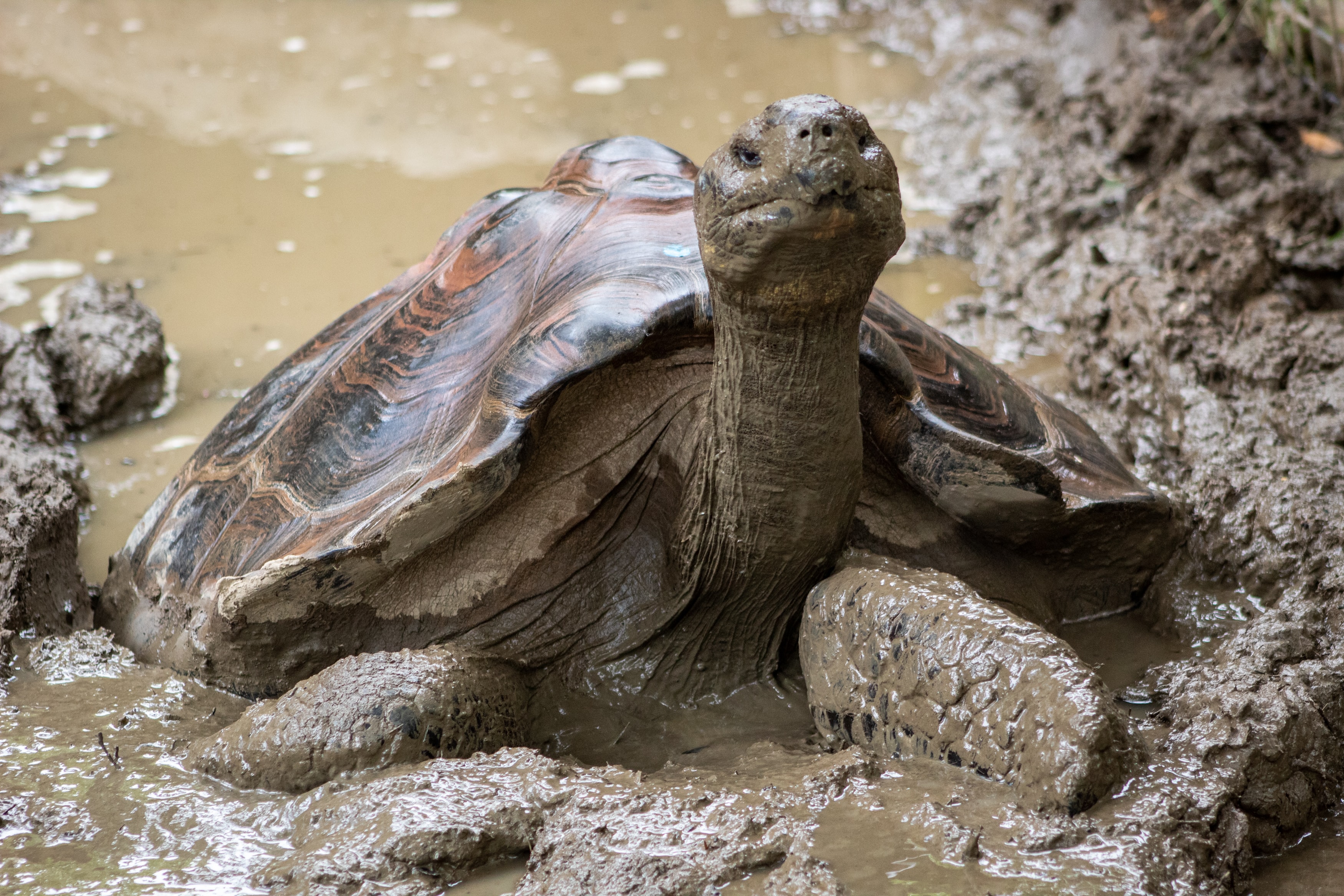
turtle joshua-j-cotten-noUFOAxHOq4-unsplash

Image Credit: Joshua J. Cotten on Unsplash

I took a wonderful vacation week with my family. We spent most of the time outdoors in the gorgeous Blue Ridge Mountains in North Carolina. The minimal phone and internet contact refreshed my soul.

When I came home, I was grumpy for days. At first, I couldn’t figure out why when the time away had been so restful. Then I recognized reality had hit me hard as soon as I walked back in the door.

Illness and lonely deaths. Financial struggles. Storms and disasters. Injustice and hatred. Uncertainties. Limitations.

Anger. Discouragement. Fear. Desperation. Depression. The emotions wear me down.

So, I went back to thinking about perseverance, resilience, how to survive thrive in these crazy times. I went back – again – to some of the basics and am attempting to live them out. Maybe they will help you too.

  • TAKE CARE OF YOURSELF
    Eat healthy foods. Drink plenty of water. Exercise. Sleep enough. 
    I know. I know. We get tired of hearing this, but these elements are proven powerful for our well-being. It is a constant battle, but anything we can do to strengthen these habits will help us get through the hard times. It’s true.
  • ACCEPT THE NEGATIVE EMOTIONS
    We are living through a never-before, stress-filled event that impacts every area of our lives. There are no quick cures and no easy answers. Recognize the emotions stirred up are real and valid and unpredictable and continuous. They WILL accompany us. There is no reason to layer self-criticism, shame, or condemnation on top of what is already a heavy burden.

Whatever amount of acceptance for human messiness (impatience, blahs, lack of productivity, weight gain) you have given yourself – it is not enough! ~ Juliet Funt


  • SHARE HONESTLY 
    Safe and trusted friends and family can be an essential source of comfort, encouragement, and motivation when we can’t come up with those ourselves. It takes humility and courage to admit that we aren’t doing well and need help, but I have received enthusiastic, willing, even grateful-for-being-asked responses. Don’t isolate or hide your problems. We need each other.
  • PRAY AND JOURNAL
    I’ve learned to start each day with my hands open and a simple prayer asking God to show me what He wants me to do that day. I’m not great at it, but journaling (thoughts, day’s happenings, gratefulness) also has a way of giving me perspective and purpose in dreary days.
  • TAKE TIME FOR THINGS YOU LOVE
    For me, this means getting outdoors – getting glimpses of God’s unique animal and plant creations near our home. I’ve also taken up small-space gardening – herbs, tomatoes, and butterfly-attracting flowers. It does not have to cost a lot of money or take a lot of time. Small amounts of joy give energy to combat weariness.
  • LEAVE SOME SPACE
    As we go along, we learn how this new normal is affecting us. Back-to-back Zoom meetings are exhausting – we need less screen time, breaks between sessions, and Zoom-free days. Remember, we cannot do all things. Each “yes” to one thing is a “no” to something else. Say “yes” and “no” thoughtfully and intentionally.

I know the pandemic and its effects are dragging on longer than we anticipated. The weariness of the continual stressors drags us down. I write this for myself and with a hopeful prayer that it will give you lift for the days ahead.

If you feel comfortable, please let me know in the comments how you are doing. And if you have another helpful reminder for us, please share that too.